
Can You Stay on Medication While Receiving TMS Therapy?
Can You Stay on Medication While Receiving TMS Therapy? One of the most common questions…
or

At Ohio Psychiatric Services, we believe that mental wellness requires a deeply personalized approach. Your brain, your history, and your goals are entirely unique to you. That is why our team of psychiatric providers, therapists, and counselors work collaboratively to offer a full spectrum of compassionate mental health care - blending traditional healing with advanced, innovative clinical treatments.
Whether you are seeking a supportive, warm space to process life’s challenges, looking for careful and understanding medication management, or exploring breakthrough therapies for symptoms that haven't responded to traditional care, we are here to walk with you every step of the way. You don't have to navigate this journey alone.
Explore our comprehensive care options below to find the path that feels right for you:
Taking the first step toward mental health care can feel daunting, but you are in safe hands. Our comprehensive initial evaluations are unhurried, deeply validating conversations designed to understand the whole picture of who you are. We look beyond your symptoms to establish an accurate diagnosis and a clear, compassionate roadmap for your healing journey.
Finding the right balance with medication requires careful attention, expertise, and a provider who truly listens. Our ongoing services go far beyond simply writing a prescription. We partner with you to closely monitor how you are feeling, fine-tune dosages, and ensure your treatment safely supports your daily well-being.
Navigating life with a fast-moving brain can feel like an uphill battle against overwhelm and chronic stress. Our comprehensive ADHD testing provides clear answers and validation for adults and children alike. From there, we build a tailored treatment plan combining careful medication management and practical strategies to help you calm the chaos, regain your focus, and thrive.
(Esketamine) Nasal Spray
For many individuals, finding true relief means exploring alternative, natural pathways to healing. We provide comprehensive, compassionate evaluations to determine your eligibility for a medical marijuana card under Ohio state guidelines. Our goal is to safely and legally integrate this plant-based therapy into your broader mental wellness plan to help alleviate chronic distress and improve your daily quality of life.
(Esketamine) Nasal Spray
A fast-acting, in-office treatment administered in a safe, comforting environment, specifically designed for adults finding it difficult to find relief from severe depression.
Also available: Genetic Testing · Telehealth · Urgent Primary Care Services
At Ohio Psychiatric Services, we understand that living with mental health challenges can feel overwhelming, exhausting, and deeply isolating. Whether you are dealing with a sudden crisis or managing a long-standing, complex condition, your struggles are valid and relief is possible. Our team meets you exactly where you are with a combination of deep empathy, advanced clinical expertise, and a commitment to finding a treatment plan that actually works for your life.
We provide comprehensive, specialized care for a wide range of psychological and psychiatric conditions, including:
Also treat: Dementia · Insomnia · Panic Disorder · Substance Induced Psychosis · Schizophrenia
Free TMS or Spravato® consultations for patients with treatment-resistant depression
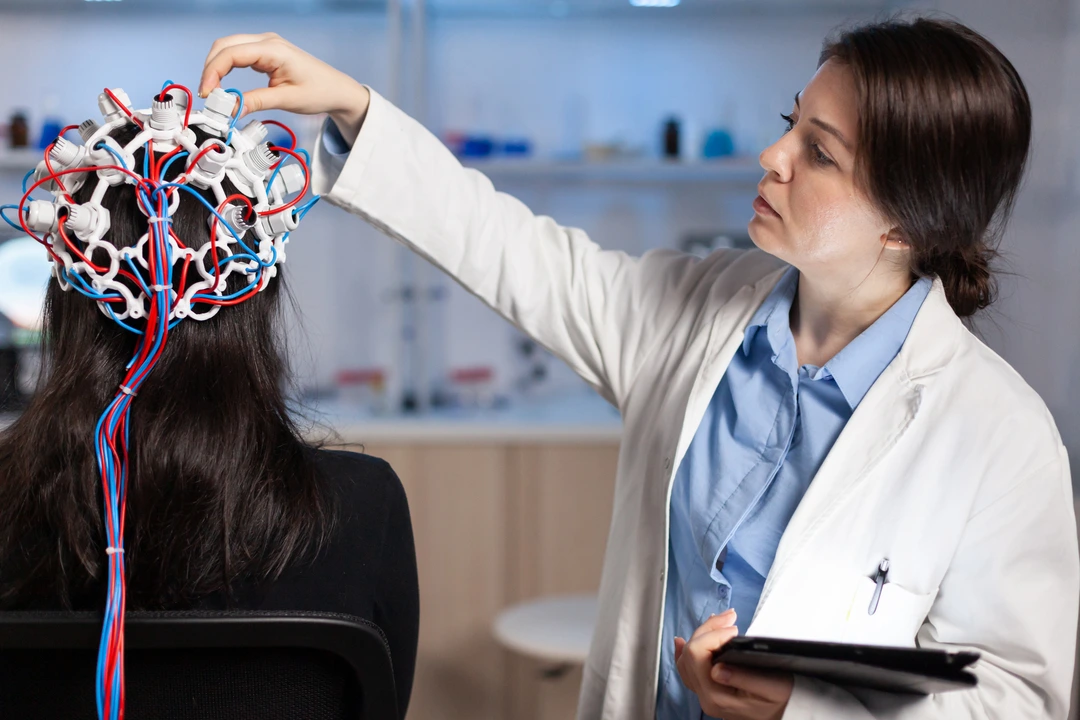
Living with depression that has not responded to medication can be exhausting. When you first hear about TMS therapy, it’s natural to wonder what actually happens during treatment and what it feels like day to day.
At Ohio Psychiatric Services (OPS), we guide patients through every step of the TMS therapy experience so there are fewer surprises and more room for hope.
Transcranial Magnetic Stimulation (TMS) is a noninvasive, FDA-cleared treatment for treatment-resistant depression that uses gentle magnetic pulses to stimulate areas of the brain involved in mood regulation.
At OPS, TMS therapy is offered as an advanced, non-medication treatment option for individuals who have not found sufficient relief with antidepressants or who struggle with medication side effects. Because TMS does not circulate through your entire body like medication, it typically avoids systemic side effects such as weight gain, sedation, or sexual dysfunction.
At Ohio Psychiatric Services, TMS therapy in Columbus, Ohio is commonly recommended for adults with treatment-resistant depression. You may be a good candidate if:
TMS at OPS is always part of a comprehensive care plan, which may include therapy, medication management, or other advanced treatments such as Spravato® (esketamine), when appropriate. During the evaluation, your OPS provider will assess your diagnosis, symptoms, and treatment history to determine whether TMS therapy near Columbus, Ohio is an appropriate and safe option.
Before starting treatment, you’ll complete a comprehensive evaluation. During this visit, your provider will:
On the days you receive treatment, most patients are able to eat, drive, and take their usual medications unless told otherwise. Once you’ve checked in, you’ll be brought to a private room where the TMS device is set up. A provider and a technician will discuss any updates to your medical history, review your current symptoms, and make sure you’re comfortable and relaxed before beginning the session.
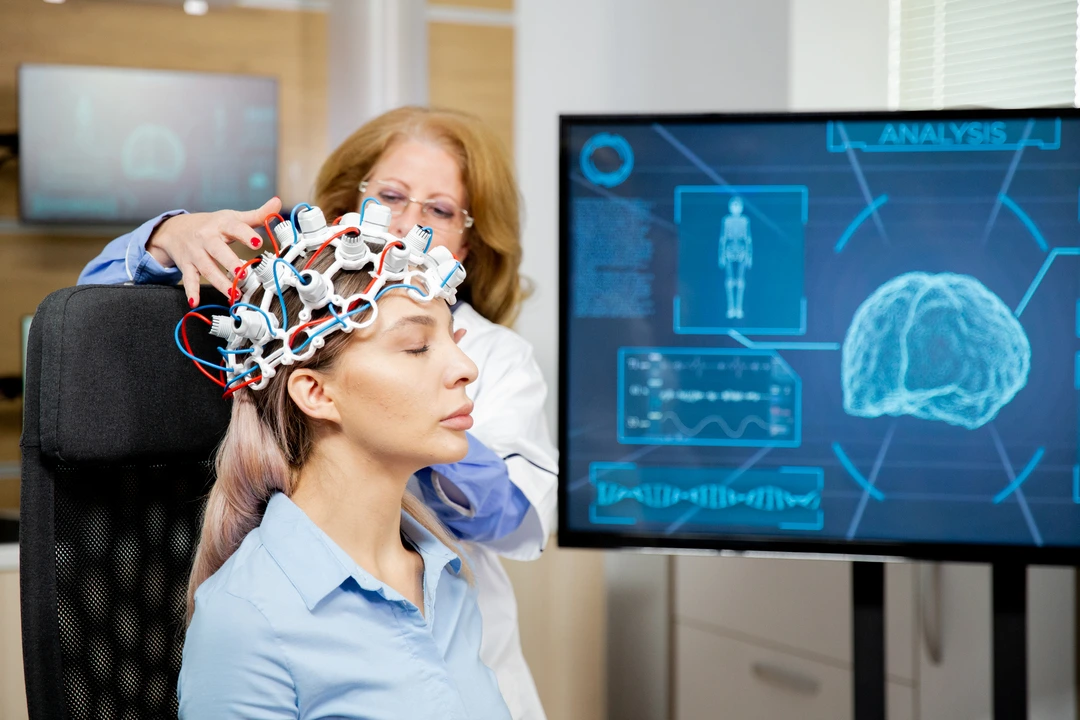
During a 19-to-20-minute TMS session:
You may notice:
While the process can feel unfamiliar at first, most patients get used to it quickly, often within just a handful of sessions as they learn what to expect. Throughout each session, there is no pain involved; an OPS team member remains nearby, to ensure your comfort.
TMS therapy is generally very well tolerated. The most common side effects include:
Side effects are brief and usually resolve with rest or approved over-the-counter pain relievers. Unlike many medications, TMS does not cause sedation, weight gain, or sexual side effects, and some users notice improved memory and clearer thinking.
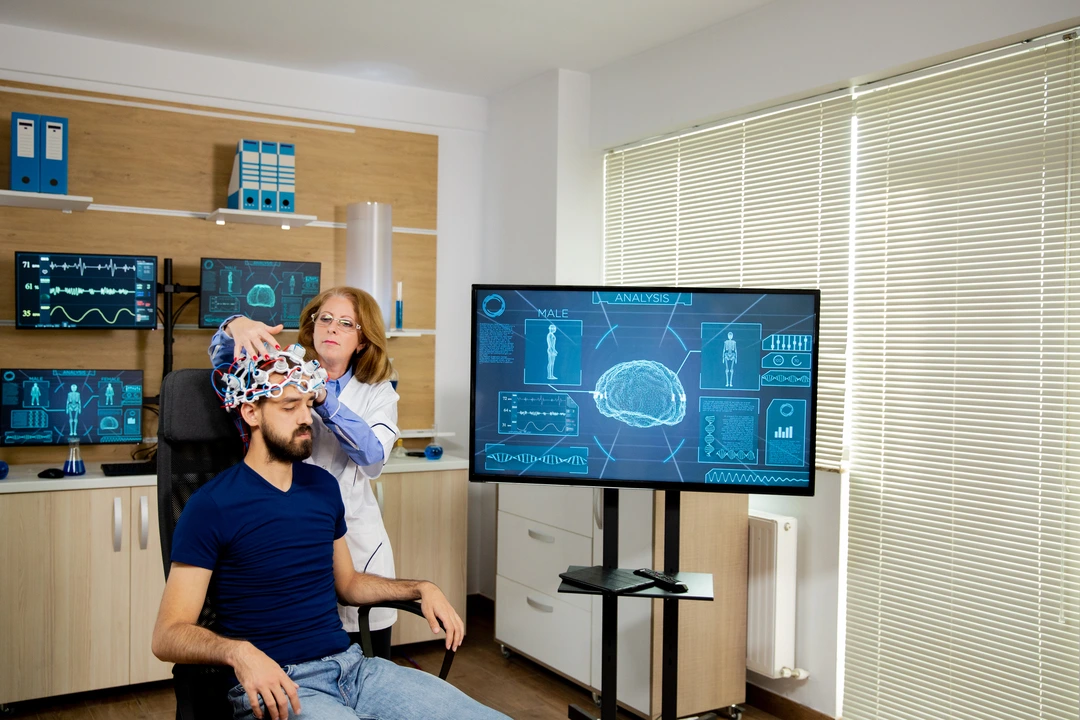
One of the biggest advantages of TMS therapy for depression is that there is no downtime; there’s no anesthesia and no recovery room. After each session, you can:
This makes TMS a practical option for many busy adults.
TMS works gradually. Early improvements may include:
These changes often build over time into more noticeable improvements in mood and daily functioning. Some people report major improvements within the first few weeks, while others report progression building later in the course. Completing the full recommended course gives TMS therapy the greatest chance of success.
For individuals in Columbus, Hilliard, and Lancaster, Ohio, TMS therapy at OPS offers a safe, highly effective, and noninvasive, drug free path forward especially when depression has not improved with traditional treatment. TMS Therapy can be paired with options like Spravato depression treatment Ohio for those seeking stronger solutions for treatment-resistant depression.
During your consultation, we will:
If you are considering alternative options for depression treatment, our team offers TMS therapy in Hilliard and Lancaster, Ohio to support your journey toward improved well-being.