Ohio Psychiatric Services & TMS Center · Lancaster & Hilliard, Ohio
TMS Therapy for Depression and OCD in Central Ohio
If you've kept struggling with depression or OCD despite medication or therapy, you're not out of options. Transcranial Magnetic Stimulation Therapy (TMS) is an evidence-based, non-invasive treatment that works differently with no anesthesia, no sedation, no recovery time.
INTEGRATED WITH MEDICATION MANAGEMENT . PSYCHOTHERAPY . SPRAVATO (ESKETAMINE)
What treatment feels like
- Non-invasive - nothing implanted, no incisions
- No anesthesia or sedation required
- Return to work or driving the same day
At Ohio Psychiatric Services, we provide personalized TMS treatment at our Lancaster and Hilliard locations for patients throughout Columbus and Central Ohio. TMS is integrated into your broader psychiatric care so it can be coordinated with medication management, psychotherapy, Spravato® treatment, and ongoing follow-up when appropriate.
The Basics
What Is TMS Therapy?
Transcranial Magnetic Stimulation (TMS) is an outpatient treatment that uses carefully controlled magnetic pulses to stimulate specific areas of the brain involved in mood and related symptoms. Unlike a medication that circulates throughout the body, TMS targets selected brain circuits from outside the head.
TMS is non-invasive: nothing is implanted, no medication is delivered through the device, and you remain awake and alert throughout treatment. Most patients drive themselves to and from appointments and return to work, school, or other normal activities immediately afterward.
“Treatment commonly targets the dorsolateral prefrontal cortex - the brain region tied to mood, motivation, attention, and emotional regulation.”
Repeated stimulation over a course of treatment is intended to help strengthen activity and communication within mood-regulating brain networks.
FDA clearance depends on the specific TMS device and treatment protocol.TMS has established FDA-cleared uses that include major depressive disorder, and certain systems or protocols are also cleared for conditions such as OCD. Your psychiatric provider will explain which indication and protocol apply to your treatment.
Candidacy
Is TMS Right for Me?
TMS is often considered when depression continues to interfere with daily life despite appropriate treatment. It may also be considered for certain patients with OCD, depending on the device, treatment protocol, diagnosis, and clinical history. You may be a good candidate if:
a
You've tried antidepressant medications without enough improvement.
b
Medication side effects have made treatment difficult to tolerate.
c
Depression continues to affect your work, relationships, sleep, motivation, or quality of life.
d
You are looking for an evidence-based treatment that does not involve taking another daily medication.
e
You are able to commit to a series of outpatient treatments over several weeks.
TMS is not automatically the right next step for every person with depression or OCD. A comprehensive psychiatric evaluation is the best way to determine whether it fits your diagnosis, history, and goals.
Effectiveness
Does TMS Really Work?
TMS has been studied extensively and has become an important treatment option for people whose depression has not responded adequately to standard approaches. Many patients experience meaningful improvement after a full course of treatment, and some achieve remission. Individual results vary, and no treatment can guarantee a specific outcome.

At Ohio Psychiatric Services, we monitor symptoms and functioning throughout treatment rather than relying on a single end-of-course assessment. This helps your clinical team evaluate progress and plan follow-up care.
Mechanism
How Does TMS Work?
Depression is associated with changes in the activity and communication of brain networks involved in mood regulation. One important region is the dorsolateral prefrontal cortex. TMS delivers repeated magnetic pulses to a carefully selected target so that the underlying brain tissue is stimulated without surgery or anesthesia.

The effect is very different from taking an antidepressant: medication reaches many parts of the body, while TMS is delivered to a specific treatment target. The exact protocol - target, intensity, frequency, and number of sessions - depends on your individualized plan.
A Typical Session
Does TMS Hurt? What Does Treatment Feel Like?
Most patients tolerate treatment well and describe the sensation as unusual rather than painful.
Before
You remain fully dressed and sit in a comfortable treatment chair. No fasting, anesthesia, or sedation is required. A trained team member positions the treatment coil according to your individualized settings.
During
You will hear clicking sounds from the device and feel rhythmic tapping or pulsing on the scalp that is often compared to finger tapping or a light rubber-band snap. You remain awake; many patients simply relax, talk or watch television.
After
There is no routine recovery period. Most patients can drive themselves home and resume normal activities immediately. Temporary scalp discomfort or headache can occur, particularly early in treatment, and usually improves and goes away over time.
Getting Started
What Happens Before My First TMS Treatment?
Beginning TMS involves more than simply scheduling a treatment session. We first make sure the treatment is clinically appropriate, medically safe, and individualized to you.
Comprehensive psychiatric evaluation
We review your diagnosis, current symptoms, previous medications, therapy history, current treatment, medical history, and goals.
Safety screening
We screen for implanted metal or medical devices, neurological history, seizure risk factors, and other issues that may affect TMS safety.
Medication review
Your provider reviews your current medications and recent medication changes because some factors can affect treatment planning or seizure threshold.
Insurance verification and prior authorization
When insurance authorization is required, our team helps gather the necessary clinical history and submits the required information.
Personalized treatment planning
Your provider determines the most appropriate treatment target and protocol based on your diagnosis and clinical needs.
TMS Mapping & Motor Threshold Testing
Before treatment begins, your clinical team performs a process often called mapping or motor threshold determination to identify the appropriate treatment position and the amount of magnetic stimulation needed for your individual treatment. Brief magnetic pulses are delivered while the clinical team observes a small motor response, typically involving the hand. The information is then used to set the treatment intensity. The process is non-invasive and does not require anesthesia. Your team may repeat or reassess certain measurements when clinically appropriate.
The Schedule
How Long Does TMS Treatment Take?
5/wk
Days of treatment per week, over several weeks
30-36
Sessions in commonly used depression protocols

~20min
Typical length of a single session
Exact numbers depend on the protocol and device being used. Your treatment team will explain the specific schedule before you begin so that you can plan around work, school, transportation, and family responsibilities.
Along the Way
What Can I Expect During a Course of TMS?
This timeline is a general guide, not a promise of when improvement will occur. Response varies significantly from one person to another.
How Long Before I Feel Better?
There's no single week when everyone begins to improve. Some patients notice early changes within the first couple of weeks, while others improve more gradually or toward the end of the course. Early improvement may not initially feel like a dramatic mood change. Patients sometimes first notice better sleep, easier mornings, or renewed interest in family life.
Because response can be gradual, completing the prescribed treatment course is important unless your clinical team recommends otherwise.
Safety
What Are the Side Effects of TMS?
TMS is generally well tolerated, but it is still a medical treatment and can cause side effects. Your provider will review risks with you before treatment begins.
Common or Usually Mild Effects
- Scalp tenderness or discomfort at the treatment site
- Mild headache
- Tingling or tapping sensations during stimulation
- Temporary facial or scalp muscle movement during treatment
These effects are often most noticeable during early sessions and may lessen as treatment continues.
Rare but Important Risks
The most serious recognized risk is seizure. This is uncommon when TMS is delivered within recommended parameters and patients are appropriately screened. Your provider considers medical history, medications, neurological history, sleep, substance use, and other factors that may affect seizure risk.
TMS does not require general anesthesia and is not associated with the same cognitive and memory effects commonly discussed with electroconvulsive therapy (ECT). TMS and ECT are different treatments.
Is TMS Safe?
Who Should Not Receive TMS?
TMS has been used clinically for many years and has an established safety profile. Certain implanted devices, metal in or near the head, neurological conditions, seizure history, medications, and certain medical conditions may make treatment inappropriate or require additional review. Your provider will specifically ask about:
Metallic implants or objects in or near the head that cannot be removed
Cochlear implants, aneurysm clips or coils, deep brain stimulators, or other implanted neurological devices
Pacemakers, implanted medication pumps, nerve stimulators, or other electronic medical devices
A history of seizures, epilepsy, significant head injury, stroke, or other neurological conditions
Current medications or recent medication changes that may affect seizure threshold
Pregnancy or other medical circumstances requiring individualized risk-benefit review
This isn't a complete contraindication list. If you're uncertain about an implant or medical device, tell us exactly what you have so the clinical team can determine whether treatment can be performed safely.
BENEFITS AND LIMITATIONS
TMS vs. Antidepressants: How Are They Different?
TMS and antidepressant medication aren't competing treatments, and one isn't automatically better than the other. They work differently and are often used at different points in a patient's treatment journey.
TMS
- Targets a specific brain circuit, not the whole body
- No systemic side effects like weight or sexual changes
- Requires several weeks of outpatient visits
- FDA-cleared for major depressive disorder; certain systems also cleared for OCD
Medication
- Reaches many systems throughout the body
- Daily dosing, often for an extended period
- Can be combined with TMS as part of a broader plan
- Remains a first-line option for many patients
What Conditions Can TMS Treat?
Major depressive disorder is the most established and widely covered indication. Certain TMS systems or protocols also have FDA clearance for OCD and other specific indications. TMS is also studied and, in some settings, used off-label for additional conditions based on careful clinical evaluation.
Can I Continue Taking Antidepressants During TMS?
Yes. Many patients continue antidepressants and other prescribed medications while receiving TMS. Tell your TMS team about any new prescription, dose change, or newly started substance, since these can affect treatment planning.
Looking Ahead
What Happens After I Finish TMS?
Finishing the initial treatment course isn't the end of psychiatric care. Your provider will review how much your symptoms and daily functioning have changed and develop a follow-up plan. Your ongoing plan may include:
Continued medication management
Psychotherapy or counseling
Monitoring for early signs that symptoms are Returning
A repeat course of TMS if clinically appropriate
Booster or maintenance TMS in selected situations
Consideration of other treatments, including Spravato, when appropriate
How Long Do TMS Results Last? The duration of benefit varies. Some patients maintain improvement for a long period after completing treatment, while others experience a return of symptoms over time, likely 2–3 years. If symptoms return, your provider looks at the full picture rather than automatically restarting treatment. The goal is to identify relapses early and use the least burdensome effective plan.
Coverage
Does Insurance Cover TMS?
Many commercial insurance plans and Medicare provide coverage for TMS for eligible patients with major depressive disorder, though exact requirements vary by plan. Insurers commonly require documentation of the diagnosis, previous medication trials, and treatment history before authorizing care.
Our staff helps verify benefits and manage prior authorization when required, and can help you understand what your insurer is requesting and your expected costs before treatment begins.
Coverage for OCD or other indications may differ from coverage for depression and can vary by device, protocol, and insurance plan. Our team will help you sort out the specifics for your policy.
SETTING THE RECORD STRAIGHT
Common Questions and Myths About TMS
Fact: TMS and electroconvulsive therapy are different treatments. TMS uses magnetic stimulation, does not require general anesthesia, and is not intended to induce a therapeutic seizure.
Fact: Memory loss is not a typical TMS side effect. TMS is often confused with ECT, which has a different treatment method and risk profile.
Fact: Most patients return to normal activities immediately after a session.
Fact: TMS is commonly considered after inadequate benefit from medication, but the decision depends on the individual patient's history, diagnosis, tolerability, and insurance criteria.
Fact: Many patients improve gradually, and some do not notice meaningful changes until later in the treatment course.
WHAT RESEARCH SAYS
The first TMS system received FDA clearance for depression in 2008, and the field has continued to evolve with newer devices, protocols, treatment targets, and indications.
Research consistently supports TMS as a useful option for many patients with depression that hasn't responded adequately to medication. Because results differ among studies and treatment systems, we prefer not to promise a universal "success rate." Your provider can discuss the evidence most relevant to your diagnosis and protocol.
Our Difference
Why Choose Ohio Psychiatric Services for TMS?
Choosing where to receive TMS is about more than choosing a machine; it's about the clinical team evaluating you, monitoring your response, and helping you decide what comes next.
Comprehensive Psychiatric Care
Ohio Psychiatric Services is a full-service psychiatric practice rather than a stand-alone procedure center. TMS can be coordinated with medication management, psychotherapy, Spravato® treatment, and ongoing psychiatric follow-up when clinically appropriate.
Personalized Treatment Planning
We consider your diagnosis, previous treatment response, side effects, medical history, and personal goals when developing your plan.
Ongoing Progress Monitoring
We don't just complete a series of sessions and wait until the end; your team monitors symptoms, functioning, and tolerability throughout treatment.
Insurance Support
Our staff assists with insurance verification and prior authorization when required, helping reduce one of the most confusing parts of starting TMS.
Convenient Central Ohio Locations
TMS is available at our Lancaster and Hilliard offices. We care for patients from Columbus, Pickerington, Canal Winchester, Reynoldsburg, Grove City, Newark, Logan, Circleville, and surrounding communities throughout Central Ohio.
OUR PHILOSOPHY OF CARE
Successful treatment is about more than reducing a symptom score. Our goal is to help you regain quality of life; whether that means returning to work, reconnecting with family, sleeping better, or simply feeling able to participate in daily life.
Frequently Asked
Frequently Asked Questions About TMS
LOGISTICS
Yes. TMS does not require sedation or anesthesia, so most patients can drive themselves home and resume normal activities immediately after treatment.
Usually, yes. There is no routine recovery period, and many patients schedule treatment before work, during a break, or before returning to normal daily activities.
Usually not. Unlike treatments that cause sedation, standard TMS generally does not require a driver or companion.
Contact the treatment team as soon as possible. Consistency matters, but an occasional missed session can usually be addressed by adjusting the schedule.
Most patients can resume normal activity, including exercise, after a session unless their provider gives them a specific restriction.
Many patients can continue their usual caffeine intake, but tell the team about significant changes in caffeine, sleep, alcohol, or substance use. Makeup and hair styling are usually fine. The treatment coil must sit correctly against the scalp, so very bulky accessories may need to be removed.
MEDICATIONS & OTHER TREATMENT
No. Many patients continue prescribed antidepressants during TMS. Do not stop or change medication without discussing it with your prescribing provider.
Yes. Psychotherapy can continue during a course of TMS and may be an important part of your overall treatment plan.
Not necessarily. They are different treatments, and the appropriate choice depends on your history, symptoms, medical considerations, insurance criteria, and treatment goals. In selected cases, they may be considered as part of a broader treatment plan.
Your provider will review your response and discuss other options, which may include medication adjustments, psychotherapy, Spravato®, a different treatment strategy, or additional evaluation.
SAFETY & SIDE EFFECTS
Most patients tolerate TMS well, but any meaningful change in mood, anxiety, agitation, sleep, or suicidal thinking should be reported promptly so your provider can evaluate it.
Neither is a typical direct side effect of TMS, because the treatment isn't a systemic medication. Weight gain is not a typical direct side effect of TMS because the treatment is not a systemic medication.
Memory loss is not a typical TMS side effect. TMS is often confused with ECT, which is a different treatment. In fact, some people report improved memory with TMS treatment.
Age alone doesn't automatically rule out TMS for older adults; a provider evaluates medical and neurological history, implanted devices, and medications. Use in adolescents depends on age, diagnosis, device clearance, and specialist evaluation. Parents or guardians should discuss this directly with the treating provider.
EFFECTIVENESS AND COVERAGE
Some patients report improvement in anxiety symptoms, especially when anxiety accompanies depression, though FDA clearance and coverage depend on diagnosis, device, and protocol. Certain TMS systems and protocols do have FDA clearance for OCD; eligibility and coverage are evaluated separately from depression treatment.
Yes. If symptoms return after a successful course, some patients benefit from a repeat course or booster/maintenance sessions. There's no universal duration of benefit; some patients maintain improvement for extended periods, while others need additional treatment later.
Medicare may cover TMS for eligible patients with major depressive disorder when coverage criteria are met. Requirements can vary, and our staff can help verify benefits.
OUR EQUIPMENT
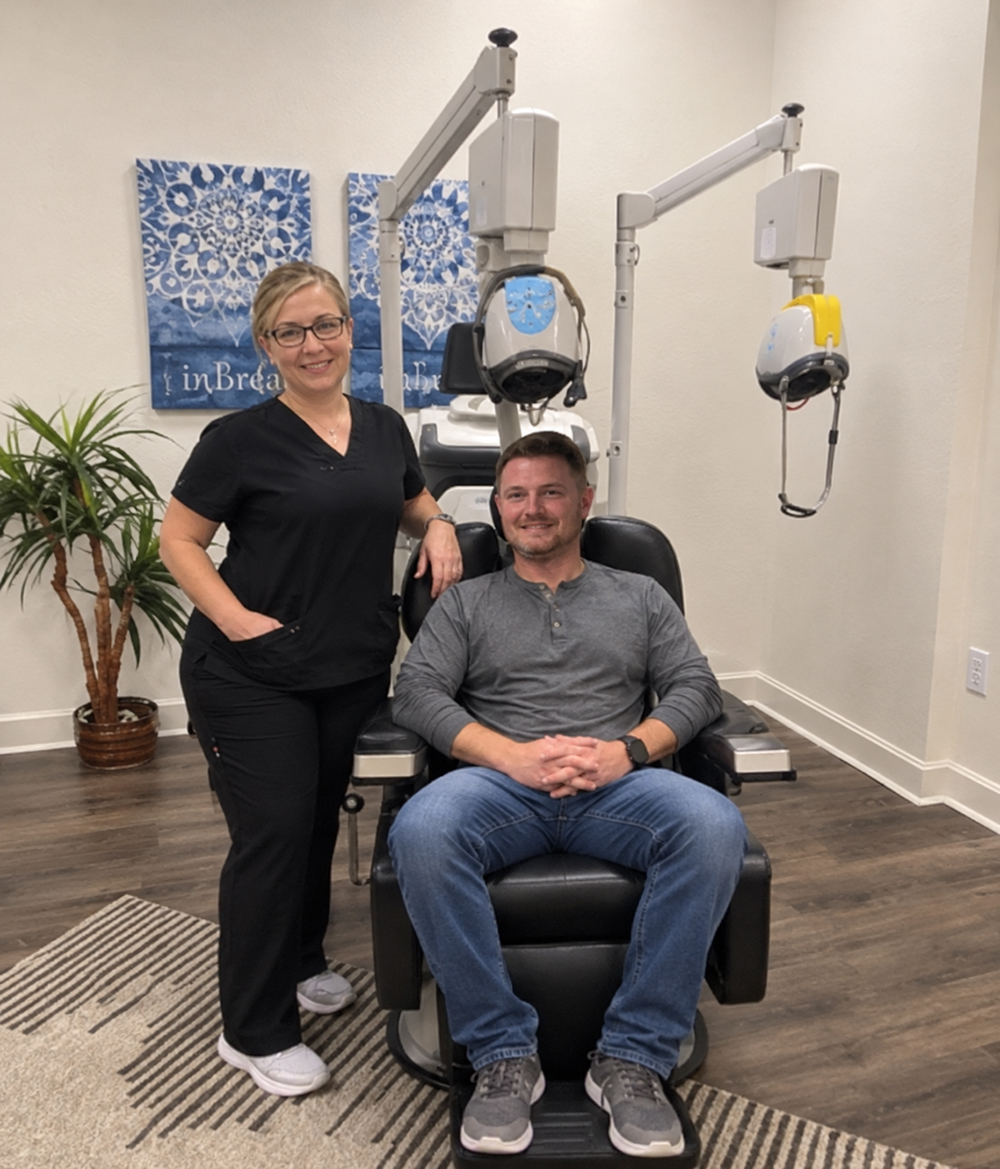
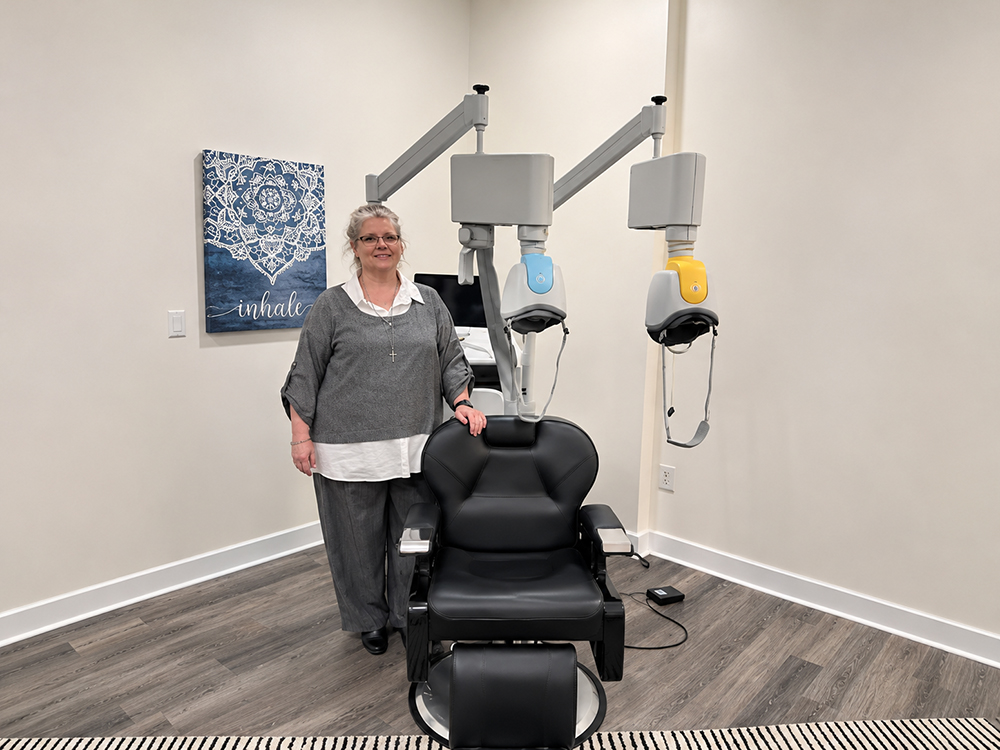
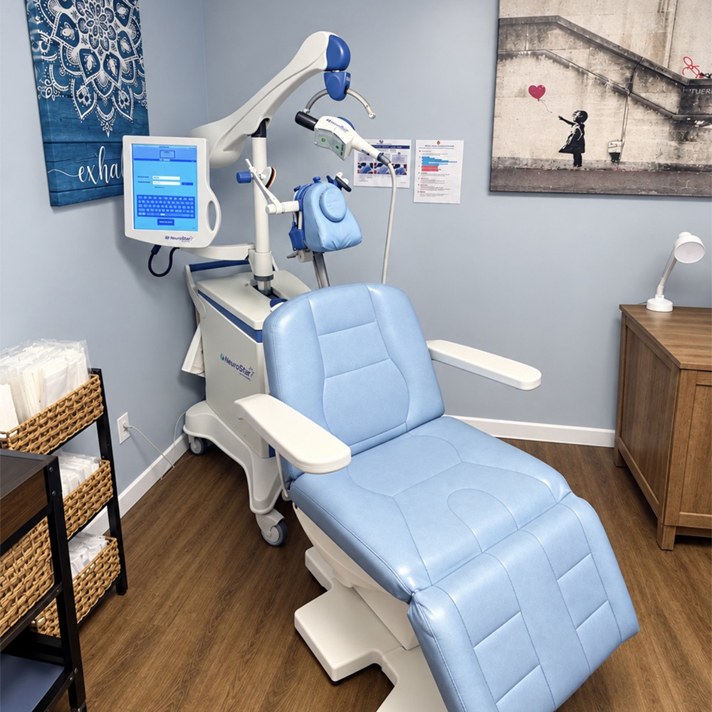
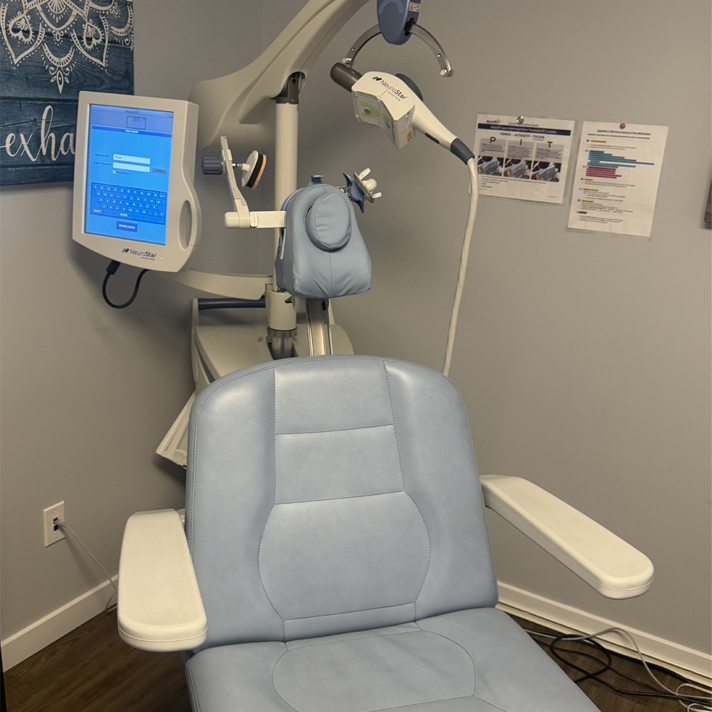
The TMS Technology at Each Location
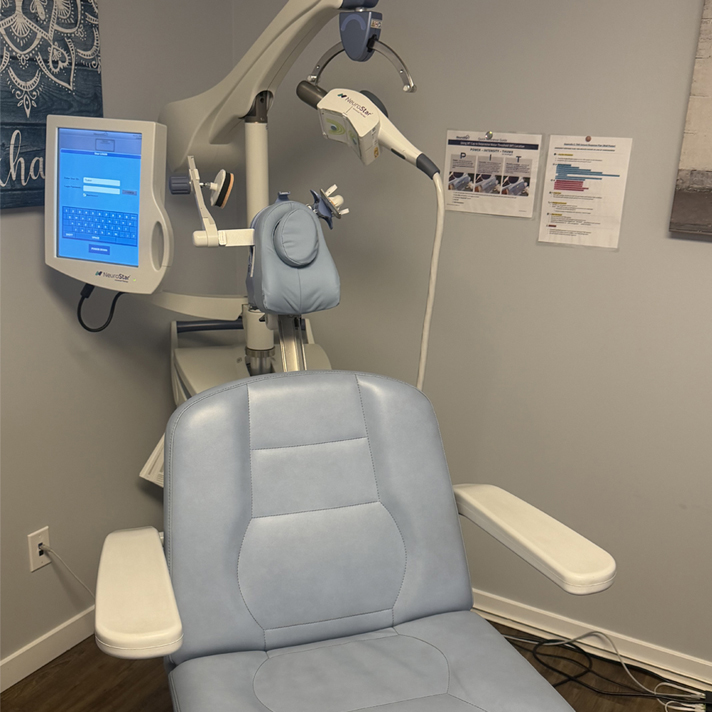
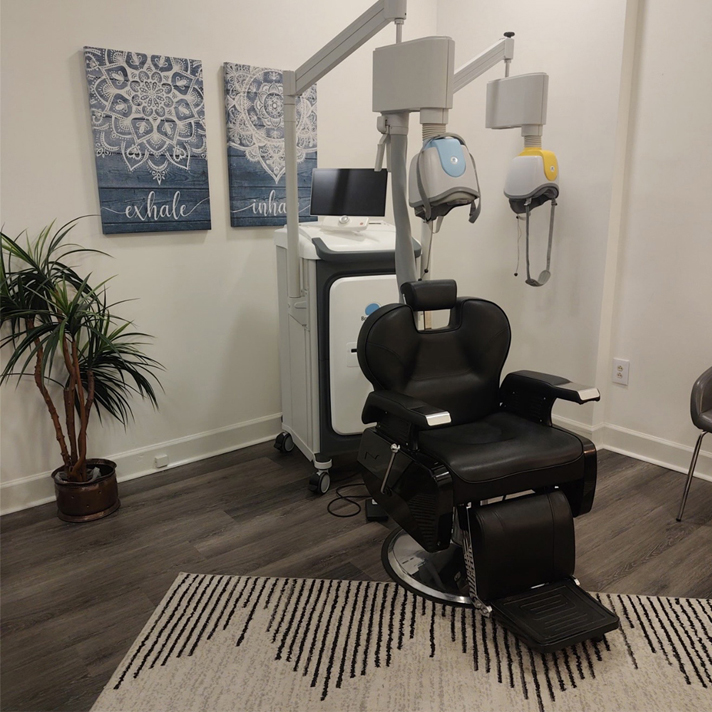
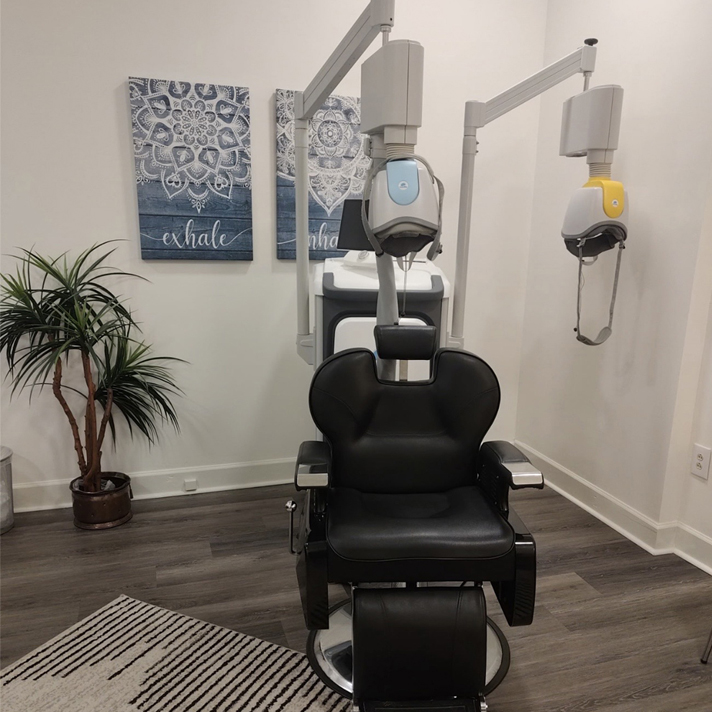
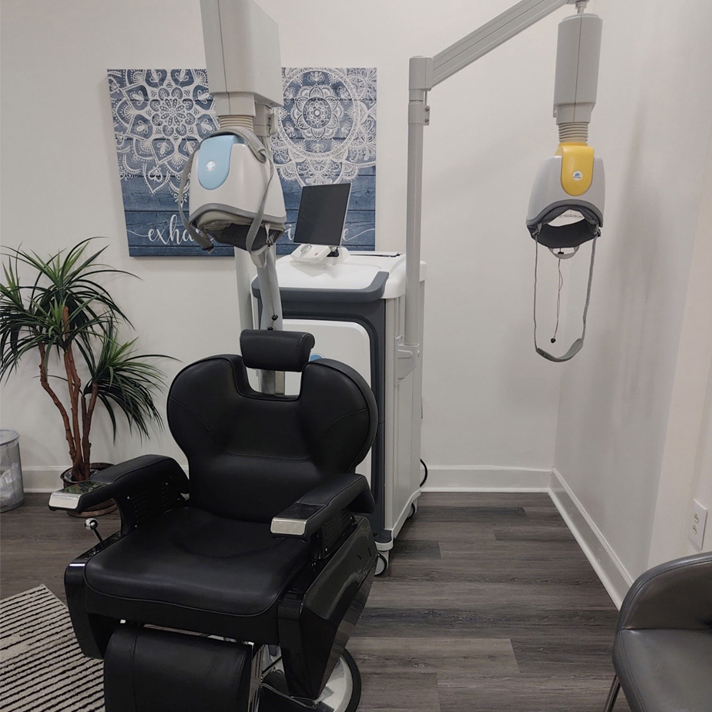
We use trusted, FDA-cleared TMS systems at both offices. Ask your provider which system and protocol apply to your treatment.
The People Behind Your Care
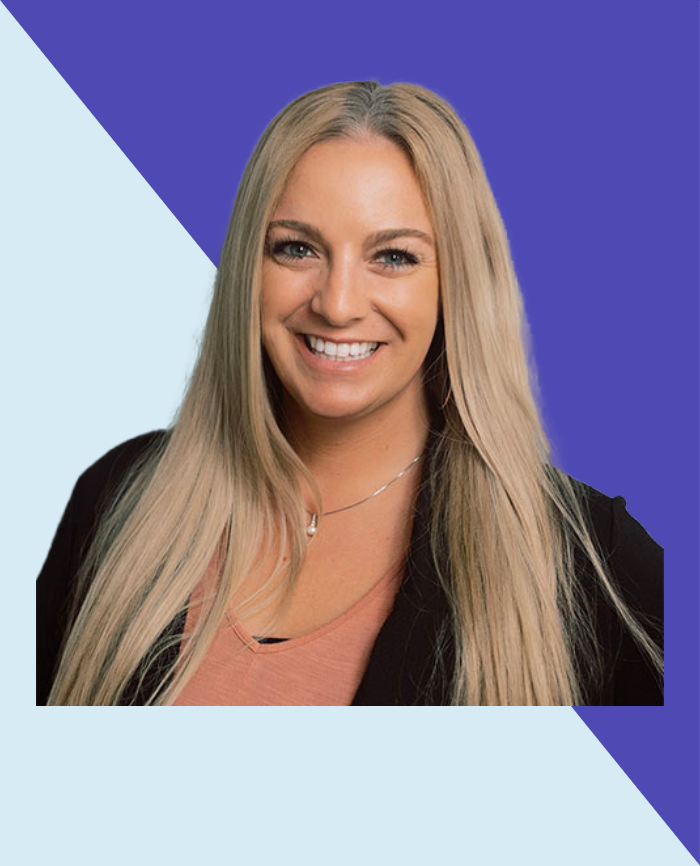
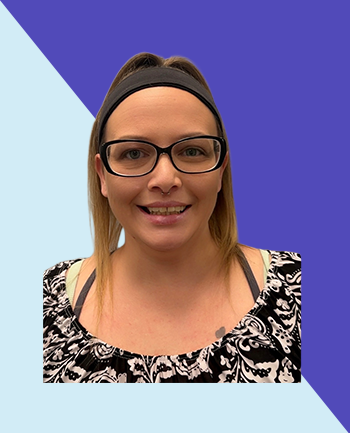
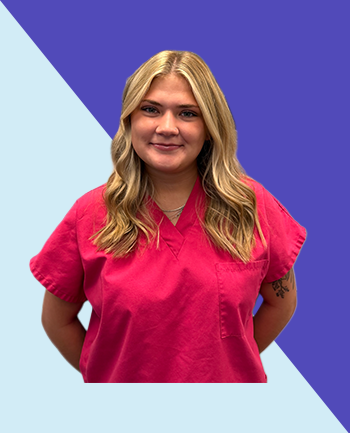
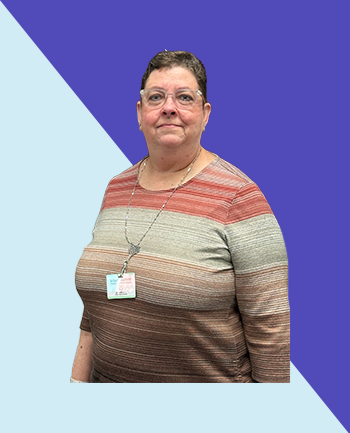
Meet our TMS Care Team
MAX HAQUE, MD
Medical Director
Adolescent and Adult Psychiatrist
RAJ FATEHCHAND, MD, FACP
CFO And Director
Of Recovery Solutions
PRAMODA FATEHCHAND, MS, PA-C
Director Of Operations
Board Certified Psychiatric Physician Assistant
CARI CALLAWAY, MSN, PMHNP-BC
Director Of Clinical Affairs
Certified Psychiatric Nurse Practitioner
JOHN MARK HAMILL, MD
Consultant Psychiatrist
CORRIN RODRIGUEZ, PMHNP
Certified Psychiatric Nurse Practitioner
MONICA GUPTA, MSN, PMHNP-BC
Certified Psychiatric Nurse Practitioner
Beth Stevenson, PMHNP
Certified Psychiatric Nurse Practitioner
CARISSA FORSYTH, CCMA
Operations Manager
Certified Clinical Medical Assistant
(Lancaster and Hilliard)
MelaniE Bioh, CCMA
Certified Clinical Medical Assistant
TMS Program Supervisor
Lancaster and Hilliard
Tami Baker, CCMA
Certified Clinical Medical Assistant
Medical Assistant Team Lead (Hilliard)
Nakkia Cosby, PMHNP - BC
Certified Psychiatric Nurse Practitioner
Marcie Phalen, PMHNP - BC
Certified Psychiatric Nurse Practitioner
Saynab Gani, PMHNP - BC
Certified Psychiatric Nurse Practitioner
Makayla Dilley, CMA
Certified Medical Assistant (Lancaster & Hilliard)
Jan Quakenbush, PMHNP - BC
Certified Psychiatric Nurse Practitioner
Madelyn Gallagan, CMA, AAMA
Certified Medical Assistant
Front Office Associate
(Lancaster)
MAX HAQUE, MD
Medical Director
Adolescent and Adult Psychiatrist
RAJ FATEHCHAND, MD, FACP
CFO And Director
Of Recovery Solutions
PRAMODA FATEHCHAND, MS, PA-C
Director Of Operations
Board Certified Psychiatric Physician Assistant
CARI CALLAWAY, MSN, PMHNP-BC
Director Of Clinical Affairs
Certified Psychiatric Nurse Practitioner
JOHN MARK HAMILL, MD
Consultant Psychiatrist
DAWN BOUCHER, MSN, PMHNP-BC
Clinical Team Lead
Certified Psychiatric Nurse Practitioner
KAYLA YUSKA, PA-C
Board Certified Psychiatric Physician Assistant
CORRIN RODRIGUEZ, PMHNP
Certified Psychiatric Nurse Practitioner
MONICA GUPTA, MSN, PMHNP-BC
Certified Psychiatric Nurse Practitioner
Beth Stevenson, PMHNP
Certified Psychiatric Nurse Practitioner
EMILY REES, MSN, FNP
Family Nurse Practitioner
KATIE STANFORD, PMHNP
Certified Psychiatric Nurse Practitioner
ERICA GANTHER, PMHNP
Certified Psychiatric Nurse Practitioner
CARISSA FORSYTH, CCMA
Operations Manager
Certified Clinical Medical Assistant
(Lancaster and Hilliard)
BETH MONTGOMERY, CMA
TMS and Esketamine Lead Coordinator
BAILEY TWIGG, CCMA
Medical Assistant Team Lead
TMS & Esketamine Coordinator
KRISTA BEERMAN, CMA
Certified Medical Assistant
TMS and Esketamine Specialist
Next Step
Could TMS Be the Next Step in Your Depression Treatment?
If depression continues to affect your life despite medication or other treatment, TMS may be worth exploring. The first step isn't committing to treatment; it's having a careful evaluation to determine whether TMS is appropriate for you.
Lancaster Location
Hilliard Location
Serving Columbus & Central Ohio