Ohio Psychiatric Services & TMS Center · Lancaster & Hilliard, Ohio
Spravato® (Esketamine) Treatment for Depression in Central Ohio
If depression has continued despite medication and other treatment, it can be discouraging to keep repeating the same approach. Spravato® offers a different, evidence-based option for certain adults with depression - acting on the brain's glutamate system rather than serotonin.
REMS-CERTIFIED TREATMENT CENTERS . LANCASTER AND HILLIARD
What to know up front
- FDA-approved nasal spray, given only in a certified office
- Self-administered under direct supervision
- At least 2 hours of monitoring after every dose
At Ohio Psychiatric Services, Spravato treatment is available as part of comprehensive psychiatric care at our Lancaster and Hilliard locations, serving patients throughout Columbus and Central Ohio. When appropriate, treatment can be coordinated with medication management, psychotherapy, TMS, and ongoing psychiatric follow-up.
The Basics
What Is Spravato® (Esketamine)?
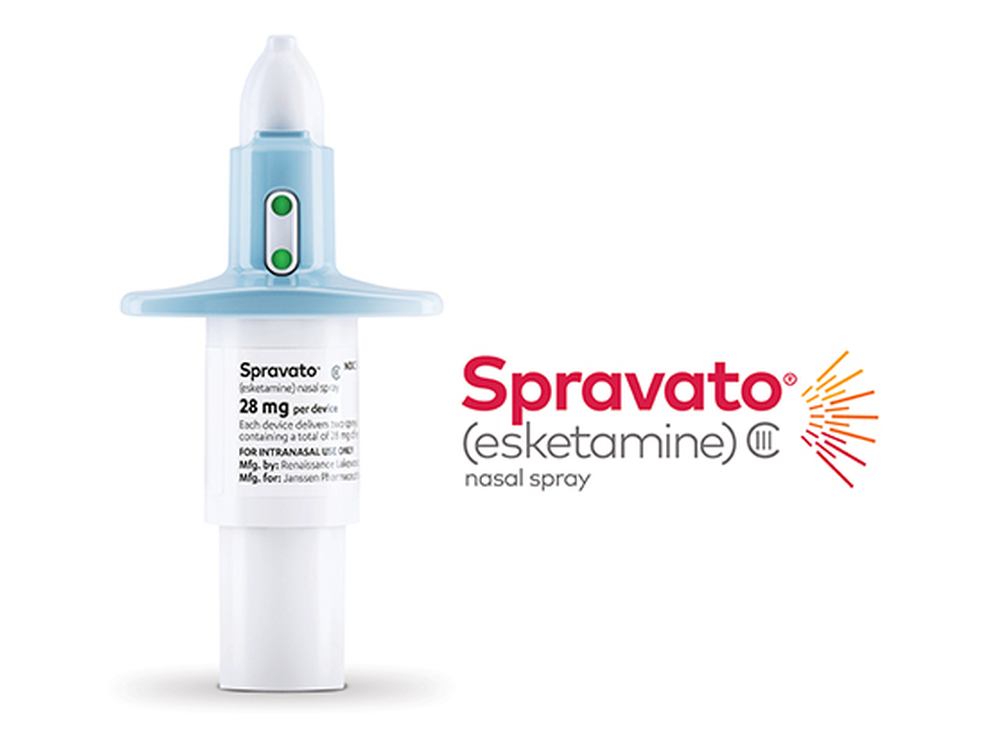
Spravato is the brand name for esketamine, a Schedule III controlled medication administered as a nasal spray. It's related to ketamine but is a specific form of the molecule; the S-enantiomer of ketamine with its own FDA-approved dosing, safety requirements, and clinical evidence.
For adults with treatment-resistant depression (TRD), Spravato is FDA-approved either as a stand-alone medication (monotherapy) or together with an oral antidepressant. It's also FDA-approved, with an oral antidepressant, for depressive symptoms in adults with major depressive disorder who have acute suicidal ideation or behavior.

“It acts through the brain's glutamate/NMDA system - a different pathway than the serotonin and norepinephrine systems targeted by many traditional antidepressants.”
It is given only in a certified healthcare setting, where patients self-administer the nasal spray under supervision and remain for at least two hours of monitoring after each treatment.
Not a take-home prescription. Because of risks that can include sedation, dissociation, respiratory depression, increased blood pressure, and misuse, Spravato is available only through the SPRAVATO® REMS program in a certified healthcare setting.
Mechanism
How Does Spravato Work?
Many traditional antidepressants primarily affect serotonin, norepinephrine, or related neurotransmitter systems and may take several weeks to produce a meaningful response. Esketamine works differently: it's a non-competitive NMDA receptor antagonist that influences glutamate signaling, one of the brain's major excitatory communication systems.
Researchers believe these downstream glutamate effects may promote changes in synaptic communication and neural plasticity within brain networks involved in mood and stress regulation, helping explain why Spravato can have a different response timeline from conventional antidepressants.
Some patients experience improvement relatively early in treatment, while others respond more gradually. A rapid response is possible but should never be promised. The clinical team evaluates benefit over time rather than judging treatment by a single session.
Candidacy
Is Spravato Right for Me?
Spravato is most often considered when depression hasn't improved adequately with standard treatment. The decision is based on more than the number of medications you've tried. You may be considered for Spravato if:
a
You're an adult with treatment - resistant depression without adequate improvement from prior antidepressants.
b
Depression continues to interfere significantly with work, relationships, sleep, motivation, or daily functioning.
c
You've had difficulty tolerating conventional antidepressants, or had only partial benefit.
d
You can attend the required in-office treatments and remain for at least two hours of post-dose monitoring.
e
You can arrange transportation home after every treatment.
f
Your medical and psychiatric history doesn't make esketamine inappropriate or excessively risky schedule, safety requirements, transportation rules, monitoring, and alternatives before treatment begins.
GETTING STARTED
How Do We Determine Whether I Qualify?
Your first step is a comprehensive psychiatric evaluation. We review your current symptoms and diagnosis, previous antidepressant trials, psychotherapy history, current medications, medical conditions, blood pressure, substance-use history, and other factors that may affect safety or treatment planning.
If insurance authorization is needed, our team also reviews the documentation required by your plan. Insurance definitions of treatment-resistant depression can differ from the FDA indication, so clinical and insurance eligibility aren't always identical. If Spravato is appropriate, we'll explain the schedule, safety requirements, transportation rules, monitoring, and alternatives before treatment begins.
Safety
Who Should Not Receive Spravato?
Spravato is contraindicated in certain patients because it can temporarily increase blood pressure and has other clinically important effects. Spravato should not be used in patients with:
Aneurysmal vascular disease - thoracic or abdominal aorta, intracranial, or peripheral arterial vessels
An arteriovenous malformation
A history of intracerebral hemorrhage
Known hypersensitivity to esketamine, ketamine, or any ingredient in the product
Your provider will also carefully evaluate risks and benefits if you have uncontrolled or clinically significant hypertension, cardiovascular or cerebrovascular disease, a history of substance use disorder, psychosis, pregnancy or plans for pregnancy, breastfeeding, or other medical or psychiatric conditions that may affect treatment safety. This is not a complete safety list but a personalized evaluation is essential before treatment.
Getting Ready
What Should I Do Before a Spravato Appointment?
A few practical steps help make treatment safer and more comfortable.
TRANSPORTATION
You cannot drive yourself after treatment. Arrange a responsible adult or other transportation for every session.
Food & Fluids
Avoid food for at least 2 hours before, and liquids for at least 30 minutes before, unless told otherwise.
NASAL MEDICATION
Report new medical problems, blood-pressure changes, pregnancy, or illness before dosing.
MEDICATION CHANGES
Bring an accurate medication list and report new prescriptions, dose changes, or supplements.
HEALTH CHANGES
Report new medical problems, blood-pressure changes, pregnancy, or illness before dosing.
Time
Plan for a meaningful block of time for administration plus at least two hours of observation.
A Typical Visit
What Happens During a Spravato Treatment?
Every treatment takes place in our office under clinical supervision, structured around safety while letting you rest comfortably during the observation period.
Pre-treatment assessment
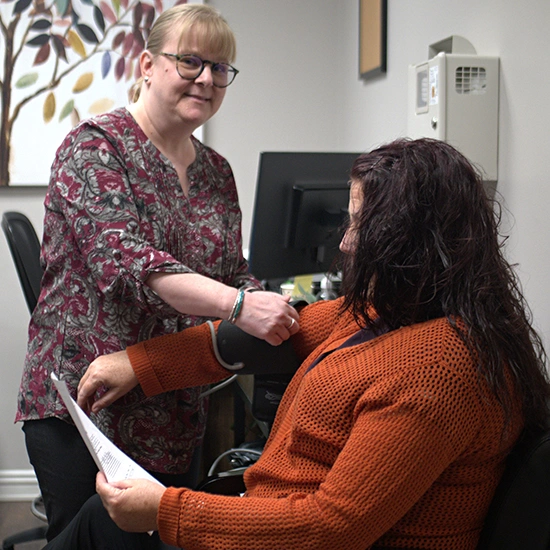
We confirm that you're ready for treatment and check your blood pressure before dosing. Relevant changes in medications, health, or symptoms are reviewed.
Self-administration
You administer Spravato yourself using the single-use nasal spray devices while a trained team member supervises and guides the dosing process.
Observation and monitoring
After dosing, you remain in the office for at least two hours. We monitor your clinical status and reassess blood pressure as required; pulse oximetry may also be used based on REMS requirements and protocol.
Discharge assessment
Before you leave, the clinical team determines that you're clinically stable and that it's appropriate for you to be discharged with your arranged transportation.
What Does Spravato Feel Like?
Experiences vary considerably. Some patients feel relaxed or sleepy; others notice dizziness, altered perception, a sense of detachment, or a “floaty” feeling. These dissociative effects are one reason the medication is administered only in a monitored healthcare setting. Most acute effects lessen during the monitored period.
Why Do I Have to Stay for Two Hours?
This is a safety requirement, not simply a waiting period. Sedation, dissociation, respiratory effects, and blood-pressure changes can occur after dosing. The two-hour minimum doesn't mean every patient is automatically ready to leave at exactly two hours - if concerns persist, additional observation may be necessary.
IN THEIR OWN WORDS
What to Expect, From Patients Who've Been There
The Space
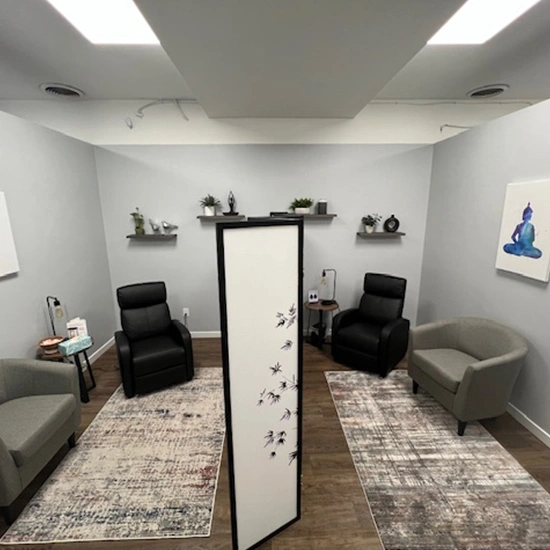
Your Treatment Room
A quiet, comfortable space for your dosing and observation period.
TRANSPARENCY
What Are the Side Effects of Spravato?
Spravato can cause side effects, and transparency about them is an important part of informed treatment.
Commonly Reported Effects
- Dissociation or altered perception
- Dizziness or vertigo
- Sedation or sleepiness
- Nausea or vomiting
- Temporary increase in blood pressure
- Headache
- Feeling intoxicated or “drunk”
- Numbness or decreased sensation
- Anxiety or lethargy
Important Warnings
Spravato carries important warnings for respiratory depression and for abuse and misuse. Patients are monitored after dosing, and the treatment setting must follow REMS requirements. Tell the treatment team promptly if you experience chest pain, shortness of breath, severe headache, neurological symptoms, intense anxiety, worsening mood, suicidal thoughts, or any other symptom that concerns you.

LEAVING THE OFFICE
What Happens After Treatment?
You must leave with your pre-arranged transportation and should plan a low-demand remainder of the day. Even if you feel normal when you leave the office, Spravato can impair attention, judgment, reaction time, and motor skills. Do not drive, operate machinery, or perform activities requiring full alertness until the next day after a restful sleep.
Some patients continue to feel tired, mildly dizzy, nauseated, or somewhat “off” after leaving the office. These effects generally improve, but your provider should know about side effects that are severe, persistent, or changing. If you don't feel fully recovered the next day, do not drive and contact your clinical team for guidance.
THE SCHEDULE
How Often Will I Receive Spravato?
For treatment-resistant depression, treatment usually begins with a more frequent induction phase and then decreases in frequency as treatment continues. The exact dose and schedule are individualized.
Induction
More frequent dosing at the start of treatment
≥2 hrs
Minimum monitoring required after every dose
Tapered
Frequency decreases as treatment continues, based on response
The schedule for the separate indication of MDD with acute suicidal ideation or behavior is different and is generally a four-week treatment course; treatment beyond four weeks for that indication hasn't been systematically evaluated.
How Long Before Spravato Starts Working?
Spravato can act more quickly than many conventional antidepressants, but the timing and degree of improvement vary. Some patients notice changes early, while others need multiple treatments before improvement becomes clear.
We look for more than a single good or bad day. Progress is assessed through changes in depressive symptoms, safety, sleep, motivation, functioning, interest, energy, and your ability to participate in daily life.
RELATED TREATMENTS
Spravato® vs. Ketamine Therapy: What's the Difference?
Spravato and ketamine are related, but they aren't interchangeable. Patients frequently encounter both when researching rapid-acting treatments for depression. Both influence glutamate/NMDA signaling, but Spravato has standardized FDA-approved labeling, defined dosing and monitoring requirements, and a national REMS safety framework.
Spravato®
- FDA-approved with standardized labeling
- Defined dosing and monitoring requirements
- Delivered under a national REMS safety framework
- Nasal spray, self-administered under supervision
Ketamine Therapy
- Often used off-label for depression
- Protocols vary by clinic (dose, route, frequency)
- Not governed by the same national REMS framework
- Commonly delivered by infusion
Can Spravato Be Combined With Other Treatments?
Yes. Depending on your clinical needs, Spravato may be part of a broader plan that includes medication management, psychotherapy, TMS, lifestyle interventions, and ongoing psychiatric follow-up. If you're already receiving TMS or another treatment, don't assume it must stop. Your provider will coordinate timing and strategy.
Can I Switch From Ketamine Infusions to Spravato?
Potentially. Your provider will review your previous ketamine treatment, diagnosis, medical history, current medications, and insurance requirements before recommending a transition.
Looking Ahead
What Happens After I Start Feeling Better?
Improvement doesn't automatically mean treatment stops. For treatment-resistant depression, many patients transition from the initial twice-weekly phase to weekly, and then weekly or every-other-week treatment, depending on response and tolerability.
The goal is to use the least frequent dosing schedule that maintains benefit while continuing to monitor mood, functioning, side effects, medications, and overall psychiatric health. Long-term treatment needs differ from person to person.
If symptoms begin returning, contact the treatment team early. Your provider can reassess treatment frequency and the rest of your psychiatric care rather than waiting for a full relapse.
Coverage
Does Insurance Cover Spravato?
Many commercial insurance plans and Medicare plans cover Spravato for eligible patients, but coverage criteria, prior-authorization requirements, copays, deductibles, coinsurance, and pharmacy benefits vary.
Our team helps verify benefits and manage prior authorization when required. Insurers may ask for documentation of previous antidepressant trials, diagnosis, current treatment, or symptom severity.
FDA approval doesn't guarantee coverage for every patient or every indication. We recommend confirming plan-specific benefits before treatment begins.
WHAT RESEARCH SAYS
Research has shown that esketamine can reduce depressive symptoms in appropriate patients, and that continued treatment can help maintain response in some patients who initially improve.
Clinical evidence also supports its separate use, with an oral antidepressant, for depressive symptoms in adults with MDD and acute suicidal ideation or behavior. However, Spravato has not been shown to prevent suicide or to reduce suicidal ideation or behavior itself. Urgent safety needs, including hospitalization, must still be addressed when clinically necessary. Because outcomes vary, we prefer to discuss evidence in the context of the individual patient rather than promise a universal success rate.
WHY HERE SPECIFICALLY
Why Is Spravato Available Only Through a REMS-Certified Center?
The FDA requires Spravato to be distributed and administered through a restricted Risk Evaluation and Mitigation Strategy (REMS) because of important risks including sedation, dissociation, respiratory depression, and abuse and misuse. Certified centers must follow specific requirements for dispensing, administration, monitoring, and patient observation - patients cannot take Spravato home.
OUR DIFFERENCE
Why Choose Ohio Psychiatric Services for Spravato Treatment?
Where you receive Spravato matters. The medication is only one part of treatment; the quality of the evaluation, monitoring, follow-up, and long-term plan matters too.
Comprehensive Psychiatric Care
Ohio Psychiatric Services is a psychiatric practice, not a stand-alone infusion or procedure center. Your Spravato treatment can be coordinated with medication management, psychotherapy, TMS, and other appropriate psychiatric care.
REMS-Certified Treatment
Administered in accordance with the required REMS framework, including supervised self-administration and post-dose observation.
Personalized Planning
We consider your full psychiatric and medical history rather than treating Spravato as a one-size-fits-all intervention.
Consistent Monitoring
Your clinical team follows symptoms, blood pressure, tolerability, functioning, and overall progress throughout treatment.
Continuity of Care & Convenient Locations
Treatment connects to ongoing psychiatric follow-up so medication changes and longer-term decisions stay within one coordinated plan. We provide Spravato care in Lancaster and Hilliard for patients from Columbus, Pickerington, Canal Winchester, Reynoldsburg, Grove City, Newark, Logan, Circleville, and surrounding Central Ohio communities.
OUR PHILOSOPHY OF CARE
Our goal is not simply to complete a series of Spravato treatments. We want treatment to translate into meaningful improvement in daily life; better functioning, greater participation in relationships, improved motivation, renewed interest, and a more sustainable path forward.
FREQUENTLY ASKED
Frequently Asked Questions About Spravato
LOGISTICS AND THE VISIT
No. You must arrange transportation home after every treatment. Do not drive or operate machinery until the next day after a restful sleep.
You must be monitored for at least two hours after administration. Allow additional time for check-in, pre-dose assessment, administration, and discharge.
Patients are generally advised not to eat for at least two hours before treatment and not to drink liquids for at least 30 minutes beforehand, because nausea and vomiting can occur. Follow your treatment team's instructions.
Because alertness and judgment may be impaired, it's best to plan the rest of the treatment day without driving, operating machinery, or tasks requiring full alertness. Many patients return to their usual routine the next day.
Travel is often fine, but coordinate with the treatment team since missed sessions can affect the dosing schedule, especially during induction. If you do miss a treatment, contact the team - your provider may adjust the schedule depending on how many sessions are missed and whether symptoms worsen.
EFFECTS & SAFETY
Some patients experience dissociation, altered perception, dizziness, sedation, or a feeling of intoxication. These effects are monitored in the office and often lessen during the observation period.
Spravato can temporarily increase blood pressure. We check it before dosing and reassess after treatment. If it remains elevated or you have concerning symptoms, you may need additional observation or medical evaluation.
Esketamine is a Schedule III controlled substance and carries a risk of abuse and misuse. This is one reason patients are screened carefully and the medication is administered only in a certified healthcare setting.
Tell your provider immediately. Spravato does not replace emergency assessment, safety planning, or hospitalization when those are clinically necessary. If you are in immediate danger, call 911 or go to the nearest emergency room. You can also call or text 988 to reach the Suicide & Crisis Lifeline at any time.
SPECIAL SITUATIONS
Not always. For treatment-resistant depression, current FDA labeling allows Spravato either as monotherapy or with an oral antidepressant. For depressive symptoms in adults with MDD and acute suicidal ideation or behavior, Spravato is used with an oral antidepressant.
Spravato may cause fetal harm and is not recommended during pregnancy. Breastfeeding is also not recommended during treatment. Tell your provider if you are pregnant, may be pregnant, planning pregnancy, or breastfeeding so you can discuss feeding and treatment options together.
Spravato isn't FDA-approved specifically for an anxiety disorder, though anxiety symptoms may change as depression improves. In selected patients, Spravato and TMS may both be part of a broader treatment plan. Your provider will determine whether combining or sequencing treatments is appropriate.
There's no single duration for everyone - frequency is individualized after the induction phase and may continue weekly or every other week when ongoing benefit supports it. Many insurance plans cover Spravato when medical-necessity criteria are met, but coverage varies; our office can help verify benefits and complete prior authorization when required.
The People Behind Your Care
Meet Our Providers & Spravato Care Team
Our Providers
MAX HAQUE, MD
Medical Director
Adolescent and Adult Psychiatrist
RAJ FATEHCHAND, MD, FACP
CFO And Director
Of Recovery Solutions
PRAMODA FATEHCHAND, MS, PA-C
Director Of Operations
Board Certified Psychiatric Physician Assistant
CARI CALLAWAY, MSN, PMHNP-BC
Director Of Clinical Affairs
Certified Psychiatric Nurse Practitioner
JOHN MARK HAMILL, MD
Consultant Psychiatrist
CORRIN RODRIGUEZ, PMHNP
Certified Psychiatric Nurse Practitioner
MONICA GUPTA, MSN, PMHNP-BC
Certified Psychiatric Nurse Practitioner
Beth Stevenson, PMHNP
Certified Psychiatric Nurse Practitioner
Nakkia Cosby, PMHNP - BC
Certified Psychiatric Nurse Practitioner
Marcie Phalen, PMHNP - BC
Certified Psychiatric Nurse Practitioner
Jan Quakenbush, PMHNP - BC
Certified Psychiatric Nurse Practitioner
Saynab Gani, PMHNP - BC
Certified Psychiatric Nurse Practitioner
Your Spravato Care Team
RAYNE OPPERMAN, CMA
Certified Medical Assistant (Lancaster)
Cody Myers, CMA
Certified Medical Assistant (Lancaster and Hilliard)
Faiza Cheema, CMA
Certified Medical Assistant (Hilliard)
Lynn McGroder, MA
Medical Assistant (Hilliard)
Tami Baker, CCMA
Certified Clinical Medical Assistant
Medical Assistant Team Lead (Hilliard)
CARISSA FORSYTH, CCMA
Operations Manager
Certified Clinical Medical Assistant
(Lancaster and Hilliard)
Carmelita Hinton , LPN
Licensed Practical Nurse
Spravato (Esketamine) Supervisor
(Lancaster)
Nikeshia Glenn
Front Office & Scheduling Specialist
DEE DOUGLAS, CCMA
Patient Liason
Front Office Supervisor
(Lancaster and Hilliard)
LINDSAY GREENBERG, RMA
Medical Assistant Team Lead (Lancaster)
KATHY HEDRICK, CMA
Office Manager
(Lancaster and Hilliard)
Next Step
Could Spravato Be the Next Step in Your Depression Treatment?
If depression continues to affect your life despite treatment, the next step doesn't have to be another medication change without a broader discussion of your options. A Spravato evaluation can help determine whether esketamine is appropriate for your diagnosis, treatment history, medical circumstances, and goals.
Lancaster Location
Hilliard Location
Serving Columbus & Central Ohio