

Can You Stay on Medication While Receiving TMS Therapy?
Can You Stay on Medication While Receiving TMS Therapy? One of the most common questions…
or

At Ohio Psychiatric Services, we believe that mental wellness requires a deeply personalized approach. Your brain, your history, and your goals are entirely unique to you. That is why our team of psychiatric providers, therapists, and counselors work collaboratively to offer a full spectrum of compassionate mental health care - blending traditional healing with advanced, innovative clinical treatments.
Whether you are seeking a supportive, warm space to process life’s challenges, looking for careful and understanding medication management, or exploring breakthrough therapies for symptoms that haven't responded to traditional care, we are here to walk with you every step of the way. You don't have to navigate this journey alone.
Explore our comprehensive care options below to find the path that feels right for you:
Taking the first step toward mental health care can feel daunting, but you are in safe hands. Our comprehensive initial evaluations are unhurried, deeply validating conversations designed to understand the whole picture of who you are. We look beyond your symptoms to establish an accurate diagnosis and a clear, compassionate roadmap for your healing journey.
Finding the right balance with medication requires careful attention, expertise, and a provider who truly listens. Our ongoing services go far beyond simply writing a prescription. We partner with you to closely monitor how you are feeling, fine-tune dosages, and ensure your treatment safely supports your daily well-being.
Navigating life with a fast-moving brain can feel like an uphill battle against overwhelm and chronic stress. Our comprehensive ADHD testing provides clear answers and validation for adults and children alike. From there, we build a tailored treatment plan combining careful medication management and practical strategies to help you calm the chaos, regain your focus, and thrive.
(Esketamine) Nasal Spray
For many individuals, finding true relief means exploring alternative, natural pathways to healing. We provide comprehensive, compassionate evaluations to determine your eligibility for a medical marijuana card under Ohio state guidelines. Our goal is to safely and legally integrate this plant-based therapy into your broader mental wellness plan to help alleviate chronic distress and improve your daily quality of life.
(Esketamine) Nasal Spray
A fast-acting, in-office treatment administered in a safe, comforting environment, specifically designed for adults finding it difficult to find relief from severe depression.
Also available: Genetic Testing · Telehealth · Urgent Primary Care Services
At Ohio Psychiatric Services, we understand that living with mental health challenges can feel overwhelming, exhausting, and deeply isolating. Whether you are dealing with a sudden crisis or managing a long-standing, complex condition, your struggles are valid and relief is possible. Our team meets you exactly where you are with a combination of deep empathy, advanced clinical expertise, and a commitment to finding a treatment plan that actually works for your life.
We provide comprehensive, specialized care for a wide range of psychological and psychiatric conditions, including:
Also treat: Dementia · Insomnia · Panic Disorder · Substance Induced Psychosis · Schizophrenia
Free TMS or Spravato® consultations for patients with treatment-resistant depression

TMS therapy (Transcranial Magnetic Stimulation) is an FDA-approved, medication-free procedure that uses targeted magnetic fields to stimulate the brain’s mood center and provide lasting relief for severe depression. By delivering precise magnetic pulses directly to the prefrontal cortex, the treatment physically “wakes up” underactive neural pathways and encourages the growth of healthy new brain connections. A standard protocol consists of daily sessions lasting 15 to 40 minutes, typically administered five days a week over four to six weeks. Because the treatment requires no anesthesia and completely bypasses systemic side effects like weight gain or chronic fatigue, patients visiting our Columbus, Hilliard, and Lancaster clinics can comfortably drive themselves to their appointments and immediately resume their normal daily routines.
TMS therapy is an innovative, non-invasive neuromodulation technique designed specifically for adults who have not achieved adequate relief from their depression symptoms using standard antidepressant medications. When traditional pharmaceutical interventions fail to work, or when their side effects become too debilitating to manage, patients are often diagnosed with treatment-resistant depression (TRD). For a long time, the options for these individuals were severely limited. Transcranial Magnetic Stimulation fundamentally shifts the treatment paradigm by treating depression electrically rather than chemically.
To understand why this is such a breakthrough, it helps to contrast it with how traditional psychiatric medications operate. When you swallow an antidepressant—whether it is an SSRI like Lexapro, an SNRI like Effexor, or an atypical medication like Wellbutrin—that drug must be digested and absorbed into your bloodstream. It travels systemically throughout your entire body before eventually crossing the blood-brain barrier. Because the medication affects the whole body, it frequently triggers a cascade of unwanted systemic side effects, such as gastrointestinal distress, significant weight gain, emotional blunting, chronic fatigue, and sexual dysfunction.
TMS bypasses the digestive system and the bloodstream completely. It utilizes an electromagnetic coil placed carefully against the patient’s scalp. This coil generates a highly concentrated, rapidly alternating magnetic field. The strength of this field is comparable to what is used in a standard MRI (Magnetic Resonance Imaging) machine, but it is focused on an area roughly the size of a golf ball. These magnetic pulses easily and painlessly pass through the skull and target only the precise regions of the brain responsible for mood regulation.
At Ohio Psychiatric Services, we have witnessed how this targeted approach transforms lives. Many of our patients throughout Central Ohio arrive at our clinics feeling entirely defeated by years of trial and error with medications. By providing a treatment that is hyper-localized to the brain’s exact center of depression, TMS therapy offers a renewed sense of hope without the burden of whole-body side effects.
TMS therapy works by using focused magnetic energy to induce microscopic electrical currents in the brain, actively stimulating dormant neurons and promoting long-term neuroplasticity. To fully grasp the mechanics of this treatment, we must look at the physical changes that occur in a brain suffering from prolonged clinical depression.
Advanced neuroimaging technologies, such as fMRI and PET scans, have revealed that depression is not simply an abstract feeling; it is a visible, physical suppression of brain activity. In patients with Major Depressive Disorder (MDD), a specific region located near the front of the brain—the left dorsolateral prefrontal cortex (DLPFC)—shows noticeably decreased metabolic activity and reduced blood flow. The DLPFC acts as the brain’s executive command center. It is responsible for regulating mood, processing complex emotions, and managing stress responses. When this region becomes sluggish and underactive, the neural networks that control your emotional baseline effectively power down. It is much like a muscle that has atrophied from a lack of use.
Traditional oral medications attempt to correct this by flooding the brain with chemical neurotransmitters like serotonin, norepinephrine, or dopamine. However, TMS therapy addresses the root of the electrical inactivity.
During a session, the magnetic pulses generated by the TMS coil penetrate approximately two to three centimeters deep into the brain tissue of the prefrontal cortex. As these magnetic fields rise and fall, they create a small, localized electrical current within the neural tissue. This process is called neuronal depolarization. It safely forces those sluggish, dormant brain cells to fire and communicate with one another again.
The benefits of these magnetic pulses go far beyond temporary electrical stimulation. By repetitively stimulating these exact neurons day after day over the course of several weeks, TMS triggers a vital biological cascade.
The stimulation significantly increases the brain’s release of a protein called Brain-Derived Neurotrophic Factor (BDNF). You can think of BDNF as high-quality fertilizer for the brain. A surge in BDNF actively promotes neuroplasticity, which is the brain’s remarkable ability to adapt, reorganize itself, and forge entirely new synaptic connections.
Through this mechanism, TMS therapy is essentially doing physical therapy for your brain’s mood circuits. It doesn’t merely mask the symptoms of depression; it helps the brain physically rebuild itself, strengthening the pathways necessary for sustained emotional health long after the final treatment session has ended.
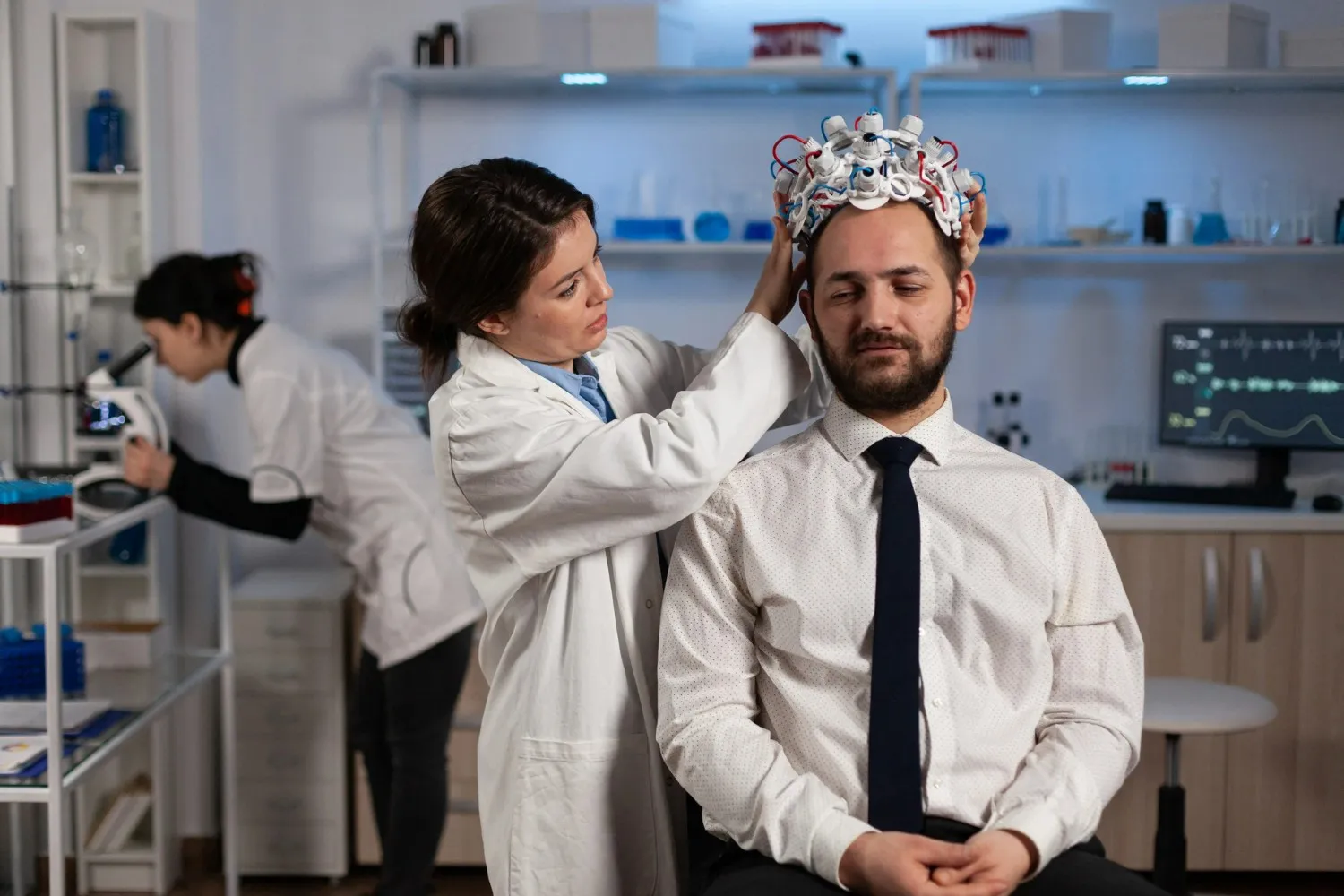
During a standard session, you will sit comfortably in a reclined treatment chair while fully awake, listening to a repetitive clicking sound as the machine delivers targeted magnetic pulses to your scalp. The patient experience is designed to be entirely straightforward, relaxing, and minimally disruptive to your daily life.
Before your daily treatments commence, your psychiatric provider will schedule an initial “mapping” appointment. Because every human brain is uniquely shaped, the exact location and intensity of the magnetic pulses must be customized to your specific neurology.
During this session, the doctor will carefully position the coil over your motor cortex and deliver single magnetic pulses, slowly adjusting the intensity until they find the exact threshold that causes your thumb or fingers to twitch involuntarily. This measurement is called your resting motor threshold (RMT). By determining your RMT, the doctor calculates the precise prescription dose of magnetic energy required to safely and effectively stimulate your prefrontal cortex without overstimulating the surrounding tissue.
Once your brain is mapped and your settings are saved, the daily treatments begin. A typical session lasts anywhere from 15 to 40 minutes, depending on the specific FDA-approved protocol your doctor prescribes (such as standard TMS or the newer, shorter Theta Burst stimulation protocols).
You will be awake and alert for the entire duration. Because the magnetic pulses create a loud clicking noise—similar to the sound of an MRI machine or a fast-paced woodpecker—you will be provided with earplugs to protect your hearing. As the machine runs, you will feel a firm tapping or tingling sensation on your scalp directly beneath the coil. You can spend this time reading a book, listening to music, watching a show on your phone, or simply relaxing.
Because TMS therapy requires no anesthesia or sedation, there is zero recovery time required after a session. You do not need a driver, and your cognitive functions remain completely intact. Many of our patients in Franklin and Fairfield counties schedule their sessions strategically around their workdays. It is entirely common for a patient to drive to our Columbus, Hilliard, or Lancaster clinic on their lunch break, receive their 20-minute treatment, and drive straight back to the office via I-270 or Route 33 without missing a beat.
The most profound benefit of TMS is its proven ability to deliver long-lasting remission from severe depression without introducing the debilitating systemic side effects associated with daily pharmaceutical medications. When evaluating advanced psychiatric treatments, the advantages of magnetic stimulation are substantial across multiple categories.
The clinical success rates of TMS are exceptionally strong, which is particularly impressive considering it is utilized exclusively by a patient population that has already failed to respond to standard treatments. In clinical trials and widespread real-world application, a significant majority of TRD patients experience a clinically meaningful reduction in their depressive symptoms. Even more remarkably, a substantial percentage achieve full remission, meaning their depression symptoms completely disappear.
Patients often report that the constant “heaviness” and pervasive brain fog gradually lift as the weeks progress. They find themselves regaining their physical energy, experiencing sharper cognitive focus, re-engaging in hobbies they had abandoned, and rebuilding the capacity to genuinely connect with friends and family.
Because TMS is entirely localized to the brain, it completely bypasses the gastrointestinal tract, the liver, and the bloodstream. This means patients are freed from the frustrating side effects that make taking traditional antidepressants so difficult.
Unlike a daily pill that a patient must remember to take every single morning indefinitely, a standard TMS protocol is a finite, completed course of treatment. While some individuals may benefit from occasional “booster” or maintenance sessions in the future, a large portion of patients experience sustained wellness lasting for many months or even years following their initial induction phase. This allows individuals to break out of the exhausting cycle of daily depression management and simply return to living their lives.
TMS therapy boasts a remarkably strong safety profile, with the most common side effects being entirely limited to mild, temporary scalp discomfort or tension headaches during the first week of treatment. Because the procedure is non-invasive and non-systemic, the safety considerations are vastly different—and much lower risk—than those associated with medications or more intensive interventions like Electroconvulsive Therapy (ECT).
The vast majority of side effects occur right at the site of the magnetic stimulation. As the magnetic pulses travel through the scalp to reach the brain, they stimulate the superficial scalp muscles and nerves. It is very common to feel a tapping, tingling, or slight tightening sensation during the procedure.
For approximately half of all patients, this muscle stimulation translates into a mild tension headache following the first few sessions. These headaches are generally very manageable and respond well to standard over-the-counter pain relievers such as ibuprofen (Advil) or acetaminophen (Tylenol). The most important thing to know is that your scalp quickly acclimates to the sensation. By the second week of treatment, these mild side effects almost always diminish significantly or disappear completely.
The most serious potential risk associated with Transcranial Magnetic Stimulation is the possibility of inducing a seizure. However, it is crucial to emphasize that this risk is exceedingly rare, occurring in roughly 0.1% of patients (approximately 1 in 1,000 to 1 in 10,000 treatments, depending on the protocol).
To ensure maximum safety, your provider will conduct a rigorous screening of your medical history before approving you for treatment. They will evaluate you for any underlying seizure disorders (like epilepsy), a history of severe traumatic brain injuries, or the use of specific medications or substances that might naturally lower your seizure threshold.
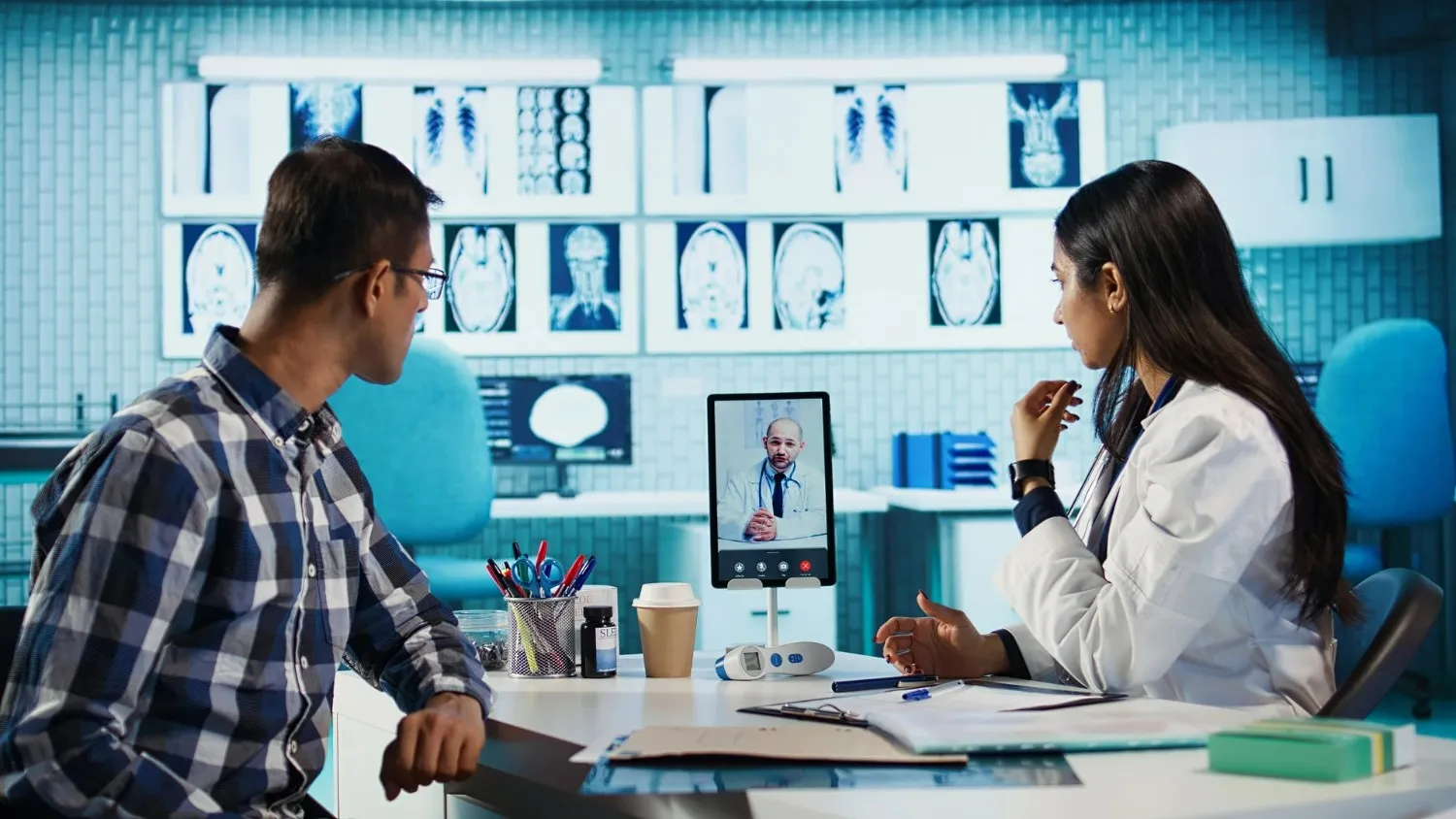
An ideal candidate for TMS therapy is an adult diagnosed with severe Major Depressive
Disorder (MDD) who has tried at least two different antidepressant medications without achieving satisfactory relief. If you feel trapped in a frustrating cycle of switching medications, constantly adjusting dosages, and battling severe side effects with little to no improvement in your actual mood, you are likely in the exact demographic this technology was designed to help.
While candidacy begins with a diagnosis of treatment-resistant depression, your psychiatric provider will conduct a thorough medical evaluation to ensure the treatment is physically safe for you. The absolute most critical medical barrier to TMS is the presence of non-removable, conductive metal in or around the head and neck.
Because the machine generates a powerful magnetic field, anyone with the following implants cannot safely undergo treatment:
Beyond medical qualifications, candidates must be prepared for the logistical time commitment. Because neuroplasticity takes time and repetitive stimulation to build, TMS requires daily sessions over a period of four to six weeks. Candidates need a relatively stable routine that allows them to visit the clinic five days a week.
At Ohio Psychiatric Services, we understand that this schedule can seem daunting. We work closely with our Central Ohio patients to find consistent appointment times that seamlessly integrate with their work schedules, school drop-offs, and family obligations. By offering treatments at our Columbus, Hilliard, and Lancaster locations, we strive to ensure that the drive time and logistics do not become an added source of stress.
While TMS therapy is most widely recognized and FDA-cleared for treating Major Depressive Disorder, highly specialized protocols are increasingly being used to successfully treat severe generalized anxiety and Obsessive-Compulsive Disorder (OCD). Many patients suffer from both depression and anxiety simultaneously (known as comorbidity), which naturally leads to questions about how magnetic stimulation impacts these vastly different emotional states.
When treating depression, the TMS coil is specifically positioned over the left side of the prefrontal cortex. The machine utilizes high-frequency magnetic pulses designed to actively stimulate and “wake up” underactive, sluggish neurons.
Learn More:
However, generalized anxiety and conditions like OCD present a fundamentally different neurological environment. In an anxious brain, specific neural circuits are not underactive; they are hyperactive. They are firing far too fast, too frequently, and continuously sending distress signals that keep the patient locked in a state of high alert.
To address anxiety or OCD, the clinical approach must shift entirely. Providers will target different areas of the brain, such as the right dorsolateral prefrontal cortex or the supplementary motor area. More importantly, instead of using high-frequency pulses to stimulate the tissue, they use low-frequency pulses (typically 1 Hertz). These low-frequency pulses are designed to inhibit or “calm down” the overactive neural networks, helping to quiet the intrusive thoughts and relentless worry. While commercial insurance coverage for anxiety-specific protocols is still evolving compared to the universally accepted coverage for depression, the clinical data and patient outcomes are incredibly promising.
No, unlike electroconvulsive therapy (ECT), TMS therapy is highly targeted and does not cause memory loss or affect your cognitive functions.
A standard treatment course requires 20- to 30-minute sessions five days a week for a total of 30 to 36 sessions over six weeks.
Yes, because TMS requires no sedation or anesthesia, you can safely drive yourself home or back to work in Columbus immediately after your appointment.
Yes, modern TMS therapy is perfectly safe for patients with standard heart pacemakers because the magnetic fields are strictly localized to your head.
While individual results vary, a large portion of patients experience months or even years of sustained remission after completing their full treatment course.