How Much Does Esketamine (Spravato) Cost in Ohio?
How Much Does Esketamine (Spravato) Cost in Ohio? Medically reviewed by Max M Haque, Cari…
or

At Ohio Psychiatric Services, we believe that mental wellness requires a deeply personalized approach. Your brain, your history, and your goals are entirely unique to you. That is why our team of psychiatric providers, therapists, and counselors work collaboratively to offer a full spectrum of compassionate mental health care - blending traditional healing with advanced, innovative clinical treatments.
Whether you are seeking a supportive, warm space to process life’s challenges, looking for careful and understanding medication management, or exploring breakthrough therapies for symptoms that haven't responded to traditional care, we are here to walk with you every step of the way. You don't have to navigate this journey alone.
Explore our comprehensive care options below to find the path that feels right for you:
Taking the first step toward mental health care can feel daunting, but you are in safe hands. Our comprehensive initial evaluations are unhurried, deeply validating conversations designed to understand the whole picture of who you are. We look beyond your symptoms to establish an accurate diagnosis and a clear, compassionate roadmap for your healing journey.
Finding the right balance with medication requires careful attention, expertise, and a provider who truly listens. Our ongoing services go far beyond simply writing a prescription. We partner with you to closely monitor how you are feeling, fine-tune dosages, and ensure your treatment safely supports your daily well-being.
Navigating life with a fast-moving brain can feel like an uphill battle against overwhelm and chronic stress. Our comprehensive ADHD testing provides clear answers and validation for adults and children alike. From there, we build a tailored treatment plan combining careful medication management and practical strategies to help you calm the chaos, regain your focus, and thrive.
(Esketamine) Nasal Spray
For many individuals, finding true relief means exploring alternative, natural pathways to healing. We provide comprehensive, compassionate evaluations to determine your eligibility for a medical marijuana card under Ohio state guidelines. Our goal is to safely and legally integrate this plant-based therapy into your broader mental wellness plan to help alleviate chronic distress and improve your daily quality of life.
(Esketamine) Nasal Spray
A fast-acting, in-office treatment administered in a safe, comforting environment, specifically designed for adults finding it difficult to find relief from severe depression.
Also available: Genetic Testing · Telehealth · Urgent Primary Care Services
At Ohio Psychiatric Services, we understand that living with mental health challenges can feel overwhelming, exhausting, and deeply isolating. Whether you are dealing with a sudden crisis or managing a long-standing, complex condition, your struggles are valid and relief is possible. Our team meets you exactly where you are with a combination of deep empathy, advanced clinical expertise, and a commitment to finding a treatment plan that actually works for your life.
We provide comprehensive, specialized care for a wide range of psychological and psychiatric conditions, including:
Also treat: Dementia · Insomnia · Panic Disorder · Substance Induced Psychosis · Schizophrenia
At Ohio Psychiatric Services, we believe that mental wellness requires a deeply personalized approach. Your brain, your history, and your goals are entirely unique to you. That is why our team of psychiatric providers, therapists, and counselors work collaboratively to offer a full spectrum of compassionate mental health care - blending traditional healing with advanced, innovative clinical treatments.
Whether you are seeking a supportive, warm space to process life’s challenges, looking for careful and understanding medication management, or exploring breakthrough therapies for symptoms that haven't responded to traditional care, we are here to walk with you every step of the way. You don't have to navigate this journey alone.
Explore our comprehensive care options below to find the path that feels right for you:
Taking the first step toward mental health care can feel daunting, but you are in safe hands. Our comprehensive initial evaluations are unhurried, deeply validating conversations designed to understand the whole picture of who you are. We look beyond your symptoms to establish an accurate diagnosis and a clear, compassionate roadmap for your healing journey.
Finding the right balance with medication requires careful attention, expertise, and a provider who truly listens. Our ongoing services go far beyond simply writing a prescription. We partner with you to closely monitor how you are feeling, fine-tune dosages, and ensure your treatment safely supports your daily well-being.
Navigating life with a fast-moving brain can feel like an uphill battle against overwhelm and chronic stress. Our comprehensive ADHD testing provides clear answers and validation for adults and children alike. From there, we build a tailored treatment plan combining careful medication management and practical strategies to help you calm the chaos, regain your focus, and thrive.
(Esketamine) Nasal Spray
For many individuals, finding true relief means exploring alternative, natural pathways to healing. We provide comprehensive, compassionate evaluations to determine your eligibility for a medical marijuana card under Ohio state guidelines. Our goal is to safely and legally integrate this plant-based therapy into your broader mental wellness plan to help alleviate chronic distress and improve your daily quality of life.
(Esketamine) Nasal Spray
A fast-acting, in-office treatment administered in a safe, comforting environment, specifically designed for adults finding it difficult to find relief from severe depression.
Also available: Genetic Testing · Telehealth · Urgent Primary Care Services
At Ohio Psychiatric Services, we understand that living with mental health challenges can feel overwhelming, exhausting, and deeply isolating. Whether you are dealing with a sudden crisis or managing a long-standing, complex condition, your struggles are valid and relief is possible. Our team meets you exactly where you are with a combination of deep empathy, advanced clinical expertise, and a commitment to finding a treatment plan that actually works for your life.
We provide comprehensive, specialized care for a wide range of psychological and psychiatric conditions, including:
Also treat: Dementia · Insomnia · Panic Disorder · Substance Induced Psychosis · Schizophrenia
Free TMS or Spravato® consultations for patients with treatment-resistant depression
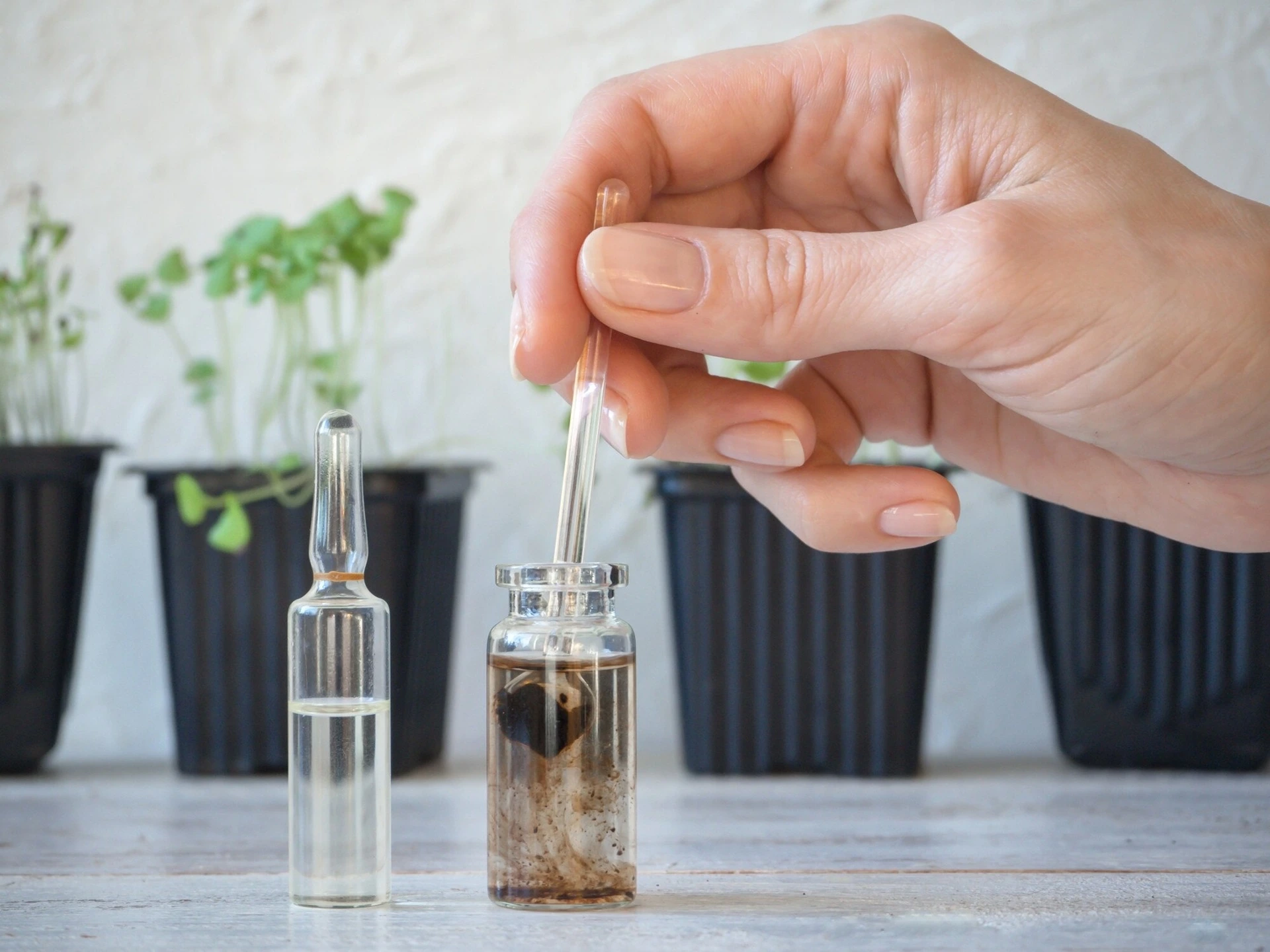
Esketamine is an FDA-approved nasal spray for adults with depression that hasn’t responded to other treatments. It comes from the same family as ketamine, though it isn’t the same as the ketamine infusions you might have seen advertised elsewhere — a difference worth understanding before you go any further.
It exists because standard antidepressants don’t work for everyone. Around one in three people with depression don’t get real relief from the usual medications, and waiting weeks to find out if yet another pill will help isn’t just discouraging — for some people, it’s genuinely risky. Esketamine works through a different pathway in the brain, and as of January 2025, it can be used on its own or alongside an antidepressant you’re already taking. That’s new flexibility that didn’t exist before.
Here’s everything worth knowing: who it’s actually for, what happens during treatment, what the research and the doctors who prescribe it are saying, how it stacks up against other options, and the side effects worth being aware of.
Esketamine isn’t usually a first step, and it isn’t for everyone with depression. It’s approved for two specific situations.
The first is treatment-resistant depression — meaning you’ve genuinely tried at least two different antidepressants, at a real dose, for a real stretch of time, and neither one helped enough. If that’s your story, esketamine may be worth a serious conversation with a psychiatrist. Since 2025, you can take it either alone or alongside your current antidepressant, whichever fits your situation better.
The second is depression that comes with suicidal thoughts. This is one of the reasons esketamine matters so much to the people who prescribe it — it can work within a day or two, which is a meaningful difference when someone is in real distress and every week of waiting counts.
Beyond diagnosis, your doctor will also want to know a few other things before moving forward. Blood pressure that’s hard to control matters, since esketamine can raise it temporarily. So does a history of aneurysms or certain heart and blood vessel conditions. If substance use involving ketamine or similar drugs has ever been part of your history, that’s worth an honest conversation too, and the same goes for pregnancy or breastfeeding.
None of this is meant to be a checklist that disqualifies you on the spot — it’s simply what a good doctor needs to know to make this decision safely, together with you.
Esketamine isn’t a prescription you pick up and take at home. Every dose happens inside a certified clinic, under supervision — that’s a federal requirement, not just how one clinic chooses to do things.
Before your first session, your provider will go over your medical history, check your current medications and blood pressure, and make sure you have a ride home, since you won’t be allowed to drive yourself afterward. During the session, you’ll spray the medication yourself while a healthcare provider watches over you — usually two doses a few minutes apart. Including the time you’re monitored afterward, the whole appointment takes around two hours.
That monitoring period matters. You’ll stay at the clinic for at least two hours after your dose while staff check your blood pressure and make sure any sedation or dissociation has worn off before you leave.
In terms of how often, treatment starts intensively and then eases off. For the first four weeks, sessions happen twice a week. From weeks five through eight, that drops to once a week, and after that, most people move to a session every one to two weeks, depending on how they’re doing. Whether you keep taking an oral antidepressant alongside this depends on which approach you and your doctor choose.
Esketamine is essentially one half of the ketamine molecule — the S-enantiomer, if you want the technical term — purified and turned into a nasal spray. That’s what “intranasal esketamine” means, and it’s what allows for precise, repeatable dosing without an IV.
Most antidepressants, like SSRIs and SNRIs, work by adjusting serotonin and norepinephrine, and they typically take four to eight weeks to show their full effect. Esketamine takes a completely different route. It blocks a receptor called NMDA, which plays a role in glutamate signaling in the brain. Researchers believe this encourages the brain to build new connections between neurons, which may be why so many patients notice a shift in mood within 24 hours instead of weeks.
That different mechanism is also why people notice something happening during the session itself — a temporary sense of detachment from their surroundings, drowsiness, or changes in perception. These effects are expected and short-lived, which is exactly why the two-hour monitoring window exists.
None of this is based on marketing claims — esketamine’s approval came from FDA-reviewed trials, and researchers have kept studying it since it first came to market in 2019.
A 2025 review that looked across several major trials — TRANSFORM-2, SUSTAIN-1, and ASPIRE I and II — found that esketamine tends to work quickly, often within hours, and improves both remission and response rates for people with treatment-resistant depression. The trial that supported the 2025 monotherapy approval backed this up: esketamine alone showed a statistically significant improvement over placebo at four weeks, and in a separate look at the same data, 22.5% of patients reached remission by that point, compared with 7.6% on placebo.
The doctors who actually prescribe esketamine have been fairly candid about it, too — both the good and the complicated parts. Dr. Gregory Mattingly, President of Midwest Research Group, said the 2025 monotherapy approval gives providers “the freedom to further personalize treatment plans” for their patients. But it’s not all upside from a clinical standpoint. A review of how mental healthcare providers talk about esketamine found real enthusiasm for how fast it works, alongside genuine concerns — the monitoring requirements, the cost (which can run into the thousands of dollars in the first month), and the extra staff and space clinics need to offer it responsibly.
Guideline groups have echoed a similar, balanced message. The American Psychological Association’s 2025 guidance on treatment-resistant depression recommends a careful, step-by-step approach — reassessing the diagnosis and making sure prior antidepressants were given a fair shot before moving on to something like esketamine.In plain terms: this is a strong option for the right person, at the right point in their treatment journey, not something meant to replace everything that came before it.
It’s natural to wonder how this compares with what you’ve already tried, or with other treatments you’ve heard about. Every option trades off speed, how invasive it is, how easy it is to access, and how much evidence backs it up. Here’s how the main ones stack up, side by side:
|
Treatment |
FDA status for depression |
Typical onset |
Where it’s done |
Monitoring required |
How it works |
|
Esketamine (Spravato) |
Approved for treatment-resistant depression (alone or combined) and depression with suicidal thoughts |
Often 24–48 hours |
Certified clinic, in-office |
Yes — 2 hours after every dose |
Blocks NMDA receptors (glutamate system) |
|
SSRIs / SNRIs |
First-line approved treatment |
4–8 weeks |
At home |
None required |
Adjusts serotonin / norepinephrine |
|
IV Ketamine |
Not FDA-approved for depression (used off-label) |
Often within hours |
Infusion clinic |
Varies by clinic |
Same receptor family as esketamine |
|
TMS |
Approved for treatment-resistant depression |
2–6 weeks |
Outpatient clinic, daily sessions |
Minimal, no sedation |
Magnetic stimulation of mood-related brain regions |
|
ECT |
Approved for severe or treatment-resistant depression |
Days to a few weeks |
Hospital or outpatient, under anesthesia |
Yes — anesthesia and recovery |
Induced seizure activity |
A few things genuinely set esketamine apart. It tends to work faster than any oral medication, often in days rather than weeks. It’s also far more standardized than off-label IV ketamine — the dosing, the safety checks, and the monitoring are all set by the FDA, not left up to whichever clinic you walk into. And since 2025, it offers something none of the others do quite the same way: the choice to use it alone or alongside your current antidepressant. Compared with ECT, it also asks much less of you physically — no general anesthesia, no induced seizure, and far less disruption to memory and daily life for most people.
That said, esketamine isn’t automatically the “best” choice in every case. ECT still has some of the highest remission rates for the most severe depression, and TMS skips sedation and monitoring requirements altogether. The honest answer is that esketamine is a strong fit for a specific group of people — not a blanket upgrade over everything else.
Put simply, for the people it’s approved for, esketamine tends to offer:
Not everyone responds the same way, and it isn’t a guaranteed fix — but for people who’ve run out of other options, it can genuinely change how quickly relief arrives.
Esketamine, like any psychiatric medication, has real side effects, and it carries the FDA’s most serious safety label — a boxed warning — covering sedation, dissociation, and the potential for misuse.
The most common things people notice during and shortly after a session include feeling disconnected from reality, drowsiness, dizziness or vertigo, a temporary rise in blood pressure, nausea, anxiety, and a general feeling of intoxication. These usually fade fairly quickly, which is exactly why the two-hour monitoring window is built into every session at Ohio Psychiatric Services.
It’s also worth knowing that cost can be a real barrier — sometimes running into the thousands of dollars for the first month — and that long-term safety data is still limited for people who may need this treatment indefinitely. Both are worth raising directly with your provider and your insurance plan before you begin. For more information on what to expect or to discuss whether esketamine treatment is right for you,
Esketamine is an FDA-approved nasal spray, sold as Spravato, used to treat depression that hasn’t responded to other treatments, and depression with suicidal thoughts. Since 2025, it can be used alone or alongside an antidepressant, and it’s only given in certified clinics under supervision.
Not quite. Esketamine is one specific piece of the ketamine molecule, purified and approved specifically for depression. IV ketamine, on the other hand, is typically used off-label for depression and doesn’t have that same FDA approval.
Many people notice a change within 24 to 48 hours, though it usually takes the full four-week induction period to see the complete effect. Everyone responds a little differently.
It depends on your plan, and usually on whether you meet the criteria for treatment-resistant depression. It’s worth calling your insurer directly to ask.
Not necessarily anymore. Esketamine used to require an oral antidepressant alongside it, but since January 2025, it’s also approved as a standalone treatment. Your doctor can help you decide which fits you better.
No. Because of temporary sedation and dissociation, you won’t be able to drive for the rest of the day, so you’ll need someone to take you home.
Not across the board. It tends to work faster than TMS and is far less physically demanding than ECT, but ECT still has the strongest track record for the most severe cases, and TMS skips sedation entirely. The right choice really depends on your specific situation.