
Schizoaffective Disorder Symptoms: What You Need to Know
Schizoaffective Disorder Symptoms: What You Need to Know Summary: Schizoaffective disorder is a rare but…
or

At Ohio Psychiatric Services, we believe that mental wellness requires a deeply personalized approach. Your brain, your history, and your goals are entirely unique to you. That is why our team of psychiatric providers, therapists, and counselors work collaboratively to offer a full spectrum of compassionate mental health care - blending traditional healing with advanced, innovative clinical treatments.
Whether you are seeking a supportive, warm space to process life’s challenges, looking for careful and understanding medication management, or exploring breakthrough therapies for symptoms that haven't responded to traditional care, we are here to walk with you every step of the way. You don't have to navigate this journey alone.
Explore our comprehensive care options below to find the path that feels right for you:
Taking the first step toward mental health care can feel daunting, but you are in safe hands. Our comprehensive initial evaluations are unhurried, deeply validating conversations designed to understand the whole picture of who you are. We look beyond your symptoms to establish an accurate diagnosis and a clear, compassionate roadmap for your healing journey.
Finding the right balance with medication requires careful attention, expertise, and a provider who truly listens. Our ongoing services go far beyond simply writing a prescription. We partner with you to closely monitor how you are feeling, fine-tune dosages, and ensure your treatment safely supports your daily well-being.
Navigating life with a fast-moving brain can feel like an uphill battle against overwhelm and chronic stress. Our comprehensive ADHD testing provides clear answers and validation for adults and children alike. From there, we build a tailored treatment plan combining careful medication management and practical strategies to help you calm the chaos, regain your focus, and thrive.
(Esketamine) Nasal Spray
For many individuals, finding true relief means exploring alternative, natural pathways to healing. We provide comprehensive, compassionate evaluations to determine your eligibility for a medical marijuana card under Ohio state guidelines. Our goal is to safely and legally integrate this plant-based therapy into your broader mental wellness plan to help alleviate chronic distress and improve your daily quality of life.
(Esketamine) Nasal Spray
A fast-acting, in-office treatment administered in a safe, comforting environment, specifically designed for adults finding it difficult to find relief from severe depression.
Also available: Genetic Testing · Telehealth · Urgent Primary Care Services
At Ohio Psychiatric Services, we understand that living with mental health challenges can feel overwhelming, exhausting, and deeply isolating. Whether you are dealing with a sudden crisis or managing a long-standing, complex condition, your struggles are valid and relief is possible. Our team meets you exactly where you are with a combination of deep empathy, advanced clinical expertise, and a commitment to finding a treatment plan that actually works for your life.
We provide comprehensive, specialized care for a wide range of psychological and psychiatric conditions, including:
Also treat: Dementia · Insomnia · Panic Disorder · Substance Induced Psychosis · Schizophrenia
Free TMS or Spravato® consultations for patients with treatment-resistant depression
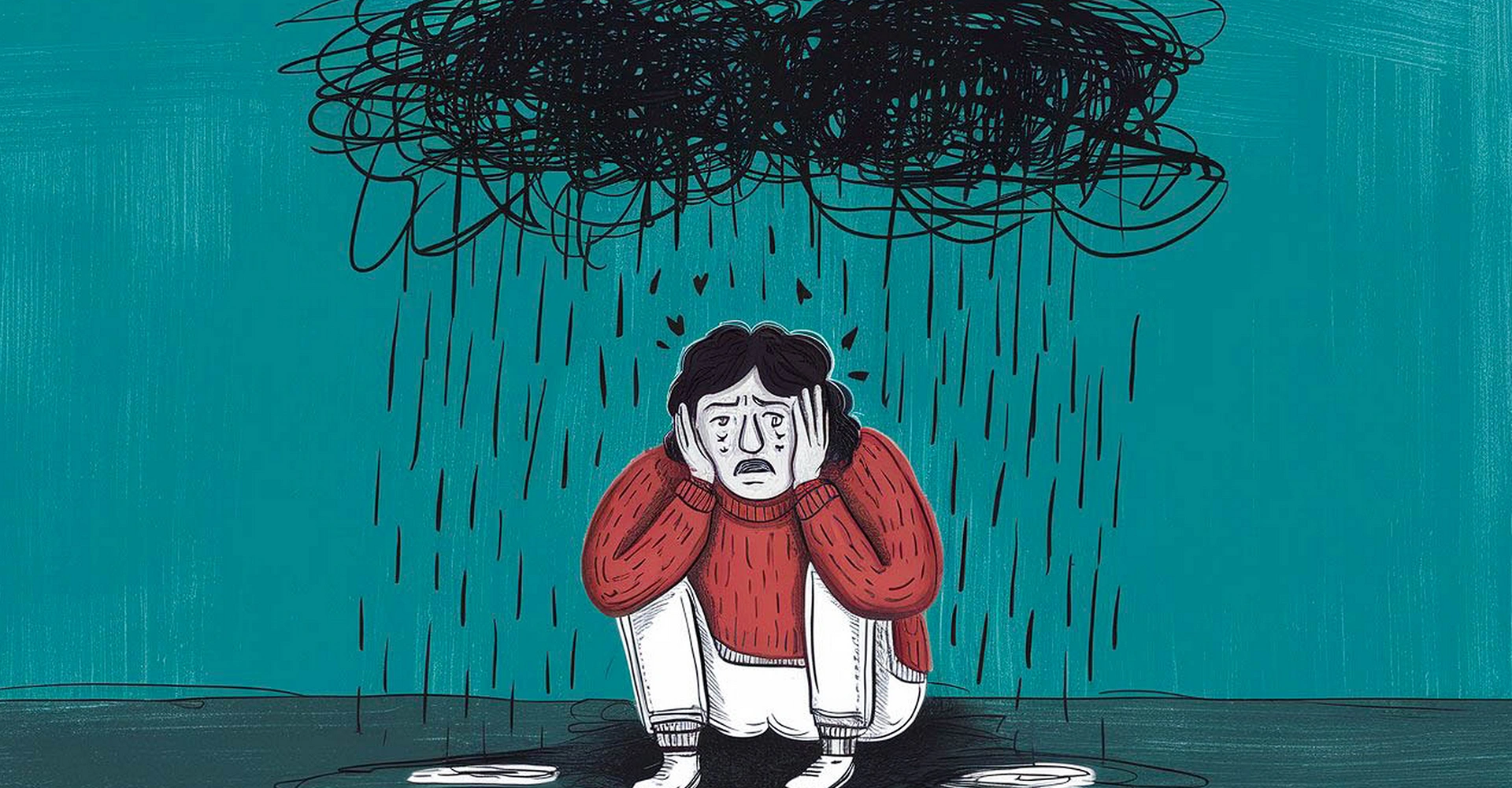
Summary : Schizophrenia is a mental health condition that affects how a person thinks, feels and behaves. The condition can involve periods of worsening and improvement, and during an episode of psychosis, the person might experience hallucinations, hear voices, or feel completely disconnected from reality.
Schizophrenia often begins in late adolescence or early adulthood. Reaching out to a mental health professional at this stage can help in early intervention and treatment of the condition.
A diagnosis of Schizophrenia might appear to be a lifetime sentence of hospital visits and piling medical bills but living a meaningful life while managing this disorder is not impossible. Schizophrenia is a mental health condition that affects how a patient thinks, feels and behaves. [UPDATED] Symptoms can change over time. During an episode of psychosis, the patient might experience hallucinations, hear voices, or feel completely disconnected from reality.
Early intervention in schizophrenia means seeking professional help as soon as possible when significant changes in thoughts, behavior, emotions, or perception begin to appear. Early assessment can help identify the cause of these changes and connect the person with appropriate treatment and support.
Early intervention is particularly important when a person experiences symptoms of psychosis, such as hallucinations, delusions, or significant difficulty distinguishing between what is real and what is not. A mental health professional can evaluate these symptoms and recommend appropriate next steps.
Getting help early does not necessarily mean that a person has schizophrenia. Similar symptoms can occur with other mental health conditions, substance use, medications, or certain medical conditions. A professional evaluation is therefore important before reaching a diagnosis.
Getting help early can make it easier to manage symptoms and provide support before they significantly affect a person’s daily life. Early treatment and ongoing care may help a person:
The symptoms of schizophrenia can be divided into 3 main categories:
Before the first episode of a psychotic episode patients experience a change in their mood, behaviour and social interactions. If you or a loved one is experiencing any of the following symptoms, reach out to a close friend or family member or an experienced medical health provider for an initial evaluation.
Symptoms before the first psychosis might include;
These symptoms do not necessarily mean that someone has schizophrenia. They can occur for several different reasons, which is why an assessment by a qualified mental health professional is important.
In addition to the symptoms mentioned above, family members and friends may notice changes in a person’s behavior or daily functioning before a first episode of psychosis.
Some possible warning signs include:
Not everyone who experiences these changes will develop schizophrenia. However, when several changes occur together or begin to interfere with daily life, speaking with a mental health professional can help determine whether further evaluation is needed.
Schizophrenia often begins in late adolescence or early adulthood and may first become apparent after experiencing the first episode of psychosis. Reaching out to a mental health professional at this stage can help in early intervention and treatment of the condition.
It can develop at other ages as well. The onset of this disorder is often higher for those assigned male at birth compared to those assigned female.
Because symptoms associated with schizophrenia can overlap with other psychiatric, medical, or substance-related conditions, a professional evaluation is important.
If you or someone you know is experiencing possible symptoms of psychosis, a mental health professional may begin with a detailed discussion about the symptoms and how they have changed over time.
An initial evaluation may include:
The goal of an evaluation is to understand what the person is experiencing and determine what type of care may be appropriate.
While schizophrenia is currently not curable, remission of symptoms and management is completely possible. An early diagnosis with effective treatment can help you reduce the distress a psychotic episode might cause.
Treatment for Schizophrenia includes medication combined with psychotherapy.
Treatment may also include family education and support, rehabilitation, and assistance with education, employment, or other daily activities depending on a person’s individual needs.
Advanced mental healthcare providers like Ohio Psychiatric Services also provide TMS (Transcranial Magnetic Stimulation) and Esketamine/Spravato for certain mental health conditions. These treatments are not standard treatments for schizophrenia and should only be considered when clinically appropriate for a person’s specific diagnosis and treatment needs.
Schizophrenia symptoms can change over time, and some people may experience periods when symptoms become more severe. Continuing treatment and attending recommended follow-up appointments can help healthcare professionals monitor symptoms and make adjustments when needed.
Following a treatment plan may also help a person maintain daily routines and reduce the disruption that recurring symptoms can cause.
If medication causes unwanted effects or a person has concerns about their treatment, they should discuss these concerns with their healthcare provider rather than stopping medication on their own.
Family and friends can play an important role in supporting someone experiencing schizophrenia. Understanding the condition can make it easier to respond calmly and encourage the person to seek appropriate care.
Families can help by:
It can also be helpful for family members to remember that symptoms such as hallucinations or delusions can feel very real to the person experiencing them. Responding with patience rather than confrontation can help maintain communication and trust.
Without appropriate treatment, symptoms may become more disruptive and can affect relationships, education, employment, and daily functioning.
Prolonged untreated psychosis can also make it more difficult for a person to maintain normal routines and social connections. Seeking professional help early can provide an opportunity to address symptoms and establish an appropriate treatment plan.
Some symptoms require immediate professional attention. Seek urgent help if a person:
If there is an immediate risk of harm, contact your local emergency services or go to the nearest emergency department.
Schizophrenia might appear to be a complicated condition but one must remember that many people can experience significant improvement and manage their symptoms with appropriate treatment, a good lifestyle and their family/friends’ support.
Reach out to your mental healthcare provider today and explore the treatment options if you or someone you know is suffering from this condition.
You don’t have to face ADHD, anxiety, depression, PTSD, OCD, or
treatment- resistant depression alone. Our experienced team will listen,
understand your concerns, and help you find the right path forward.

Early signs can include social withdrawal, changes in behavior or sleep, difficulty concentrating, declining performance at school or work, unusual suspiciousness, changes in communication, and unusual perceptions or beliefs. These symptoms can have many possible causes, so professional evaluation is important.
Early diagnosis can allow treatment and support to begin sooner. While schizophrenia currently has no cure, appropriate treatment can help reduce symptoms and support daily functioning and quality of life.
Without appropriate treatment, symptoms may become more disruptive and can affect relationships, education, employment, and daily functioning. Seeking professional help early can provide an opportunity to address symptoms and establish an appropriate treatment plan.
Symptoms can change over time. Some people experience periods when symptoms become more severe and periods when they improve. Ongoing treatment and follow-up can help with symptom management and reduce the risk of relapse.
Family members can provide emotional support, encourage professional care, help with routines, learn about schizophrenia, and support the person’s treatment plan. A calm and non-judgmental approach can also help maintain communication.
Professional help should be considered when significant changes in thoughts, behavior, emotions, social functioning, or perception begin interfering with daily life. Hallucinations, delusions, severe confusion, or thoughts of self-harm require prompt professional attention.
The information provided in this article is intended for educational and informational purposes only. It is not a substitute for professional medical advice, diagnosis, or treatment. Schizophrenia and psychosis can present differently from person to person, and symptoms may have multiple possible causes. Do not use the information in this article to diagnose yourself or someone else or to start, stop, or change any medication or treatment. If you or someone you know is experiencing symptoms of schizophrenia or psychosis, consult a qualified mental health professional for an appropriate evaluation and personalized treatment plan. If there is an immediate risk of harm to yourself or others, seek emergency medical assistance.