
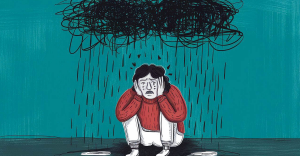
Importance of Early Intervention in Schizophrenia
Schizophrenia is a mental health condition that affects how a patient thinks, feels and....
or

At Ohio Psychiatric Services, we believe that mental wellness requires a deeply personalized approach. Your brain, your history, and your goals are entirely unique to you. That is why our team of psychiatric providers, therapists, and counselors work collaboratively to offer a full spectrum of compassionate mental health care - blending traditional healing with advanced, innovative clinical treatments.
Whether you are seeking a supportive, warm space to process life’s challenges, looking for careful and understanding medication management, or exploring breakthrough therapies for symptoms that haven't responded to traditional care, we are here to walk with you every step of the way. You don't have to navigate this journey alone.
Explore our comprehensive care options below to find the path that feels right for you:
Taking the first step toward mental health care can feel daunting, but you are in safe hands. Our comprehensive initial evaluations are unhurried, deeply validating conversations designed to understand the whole picture of who you are. We look beyond your symptoms to establish an accurate diagnosis and a clear, compassionate roadmap for your healing journey.
Finding the right balance with medication requires careful attention, expertise, and a provider who truly listens. Our ongoing services go far beyond simply writing a prescription. We partner with you to closely monitor how you are feeling, fine-tune dosages, and ensure your treatment safely supports your daily well-being.
Navigating life with a fast-moving brain can feel like an uphill battle against overwhelm and chronic stress. Our comprehensive ADHD testing provides clear answers and validation for adults and children alike. From there, we build a tailored treatment plan combining careful medication management and practical strategies to help you calm the chaos, regain your focus, and thrive.
(Esketamine) Nasal Spray
For many individuals, finding true relief means exploring alternative, natural pathways to healing. We provide comprehensive, compassionate evaluations to determine your eligibility for a medical marijuana card under Ohio state guidelines. Our goal is to safely and legally integrate this plant-based therapy into your broader mental wellness plan to help alleviate chronic distress and improve your daily quality of life.
(Esketamine) Nasal Spray
A fast-acting, in-office treatment administered in a safe, comforting environment, specifically designed for adults finding it difficult to find relief from severe depression.
Also available: Genetic Testing · Telehealth · Urgent Primary Care Services
At Ohio Psychiatric Services, we understand that living with mental health challenges can feel overwhelming, exhausting, and deeply isolating. Whether you are dealing with a sudden crisis or managing a long-standing, complex condition, your struggles are valid and relief is possible. Our team meets you exactly where you are with a combination of deep empathy, advanced clinical expertise, and a commitment to finding a treatment plan that actually works for your life.
We provide comprehensive, specialized care for a wide range of psychological and psychiatric conditions, including:
Also treat: Dementia · Insomnia · Panic Disorder · Substance Induced Psychosis · Schizophrenia
Free TMS or Spravato® consultations for patients with treatment-resistant depression

Summary: Schizoaffective disorder is a rare but challenging mental health condition combining schizophrenia and mood disorder symptoms. It affects thoughts, emotions, and daily life. Understanding its symptoms—psychotic, mood-related, and cognitive—can help in early diagnosis and care.
Schizoaffective disorder causes symptoms of schizophrenia and a mood disorder. It is a chronic and complex mental health condition that intersects schizophrenia and mood disorders like bipolar disorder or major depressive disorder. An individual with schizoaffective disorder can experience dramatic changes in their thoughts, moods, and behaviors.
Being a rare disorder, there is inadequate information available on the condition, which might even lead to wrong diagnosis sometimes. This blog dives deeper into the condition and symptoms of schizoaffective disorder, helping people dealing with the disorder directly or indirectly.
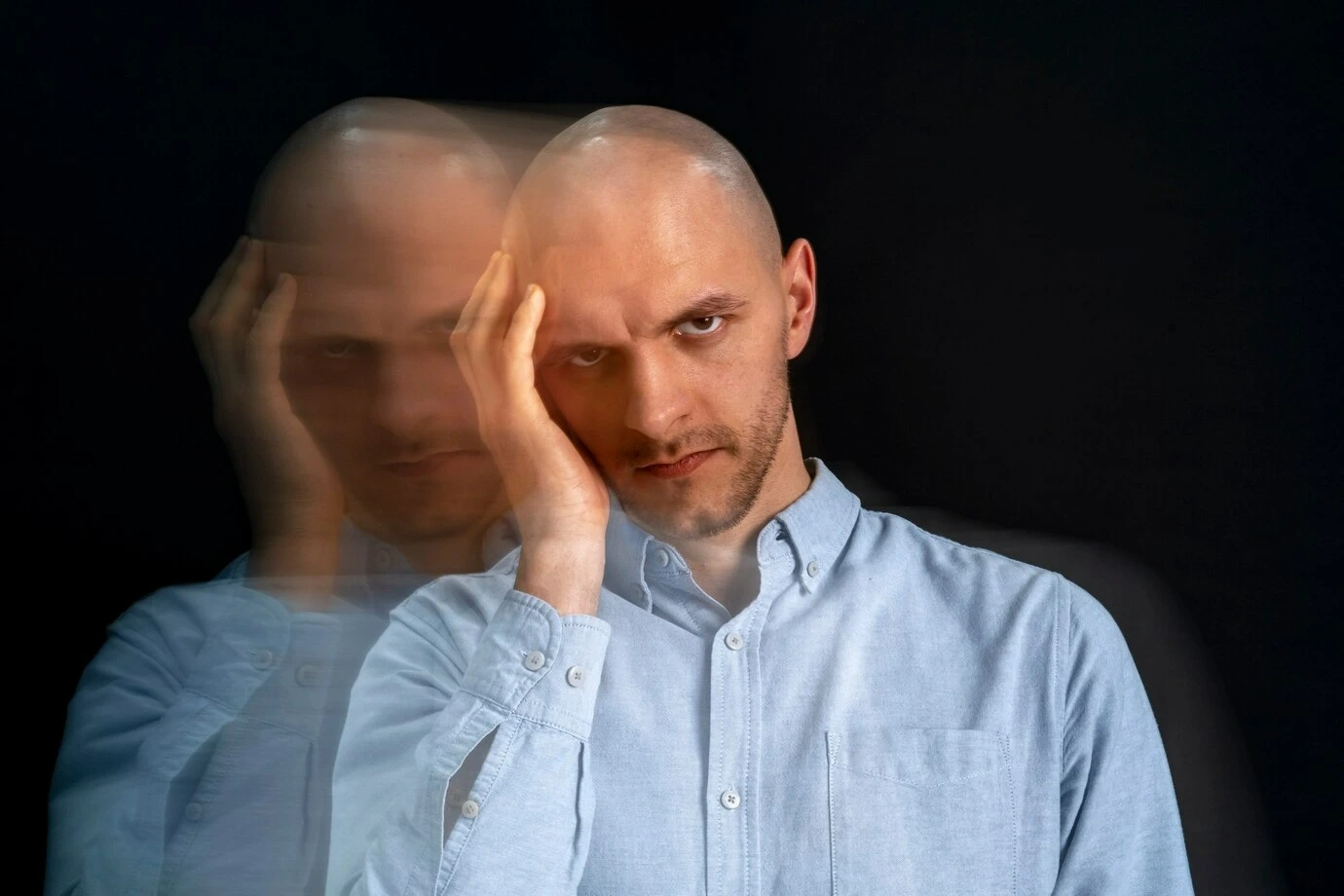
There is no specific age bar for when Schizoaffective Disorder Symptoms surface. Schizoaffective Disorder can affect anyone at any age. However, most people are diagnosed with schizoaffective disorder during teenage or young adulthood, generally between the ages of 25 and 35.
It affects about 3 in every 1,000 people, i.e. 0.3% of Americans. This is a rare mental health problem that, if diagnosed, can overpower an individual–making them severely incapable of doing some basic tasks
Schizoaffective disorder is a mental health condition that includes symptoms of both schizophrenia and mood disorders (such as bipolar disorder or depression). The symptoms can vary in severity and duration but generally fall into three main categories: psychotic symptoms, mood symptoms, and cognitive symptoms.
These symptoms involve a disconnection from reality and can include:
Depending on the type of schizoaffective disorder (bipolar type or depressive type), individuals may experience:
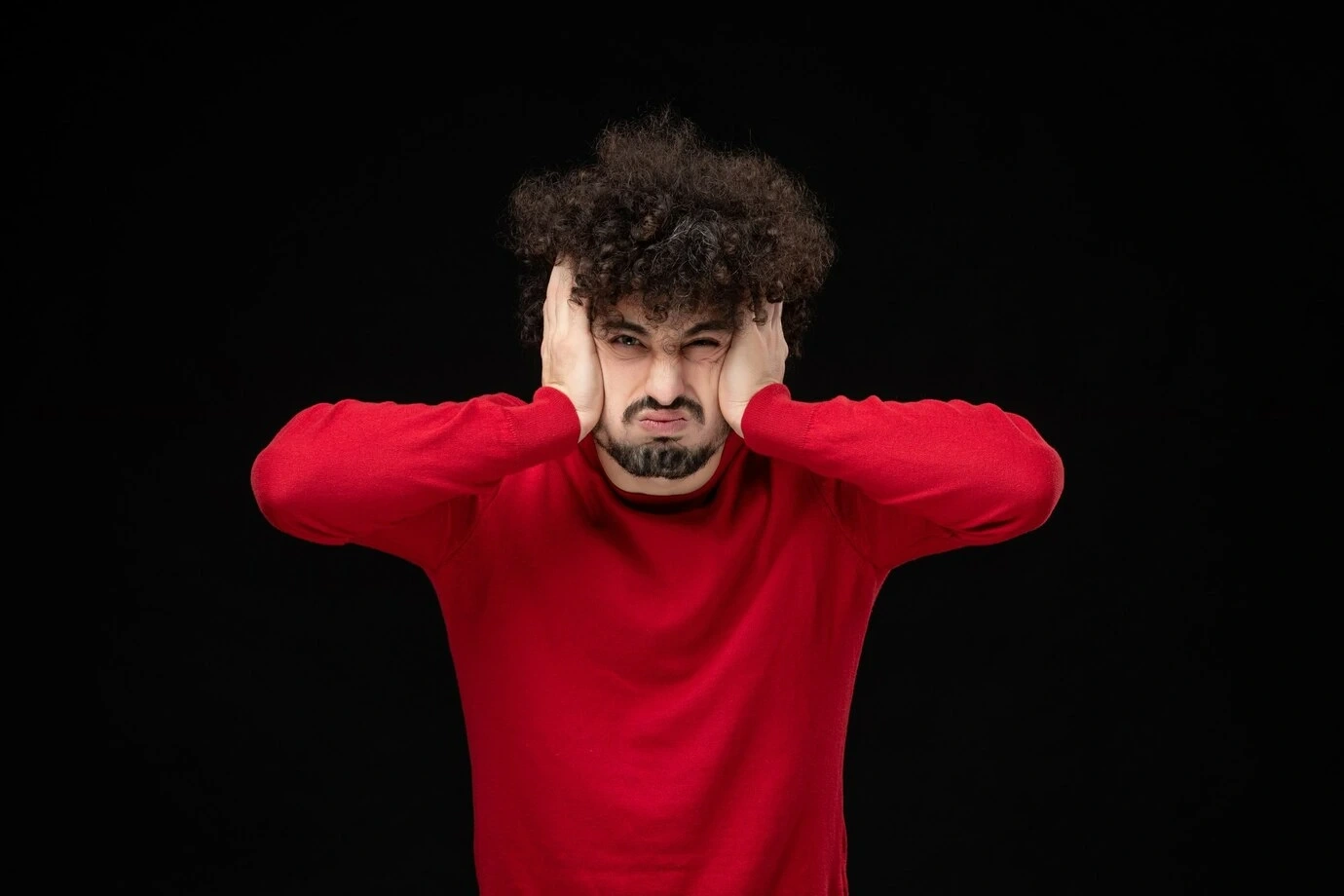
Negative symptoms of schizoaffective disorder can make daily tasks and social interactions challenging. Reduced motivation, limited emotional expression, and social withdrawal are common. These symptoms are not intentional but part of the condition. Patience, structured support, and understanding can help improve daily functioning, making it easier to navigate challenges and maintain a sense of stability.
Starting from the diagnosis to caring for a patient with Schizoaffective Disorder can get challenging for caregivers. Persistence and professional help can improve the situation before it gets to a point where the patient is unable to lead an everyday life. Sympathy, belief, and motivation are the tools for caregivers of individuals with Schizoaffective Disorder.
Ohio Psychiatric Services and TMS Center offers expert mental health services, analyzing the intensity of disorder and the condition of patients, and recommending safe treatment measures. Book your consultation session today!
Schizoaffective disorder includes symptoms like hearing voices, believing false things, mood swings (depression or mania), and trouble thinking clearly or focusing.
Schizoaffective disorder combines schizophrenia (hallucinations and delusions) with bipolar disorder (mood swings). It affects both mood and thinking.
Symptoms usually start between the ages 16 and 30. It is not common in children.
Yes, schizoaffective disorder can be treated with medications for both mood and psychotic symptoms, plus therapy and support to manage daily life.
While it’s a long-term condition, symptoms can improve with treatment, and many people experience long periods without major issues.